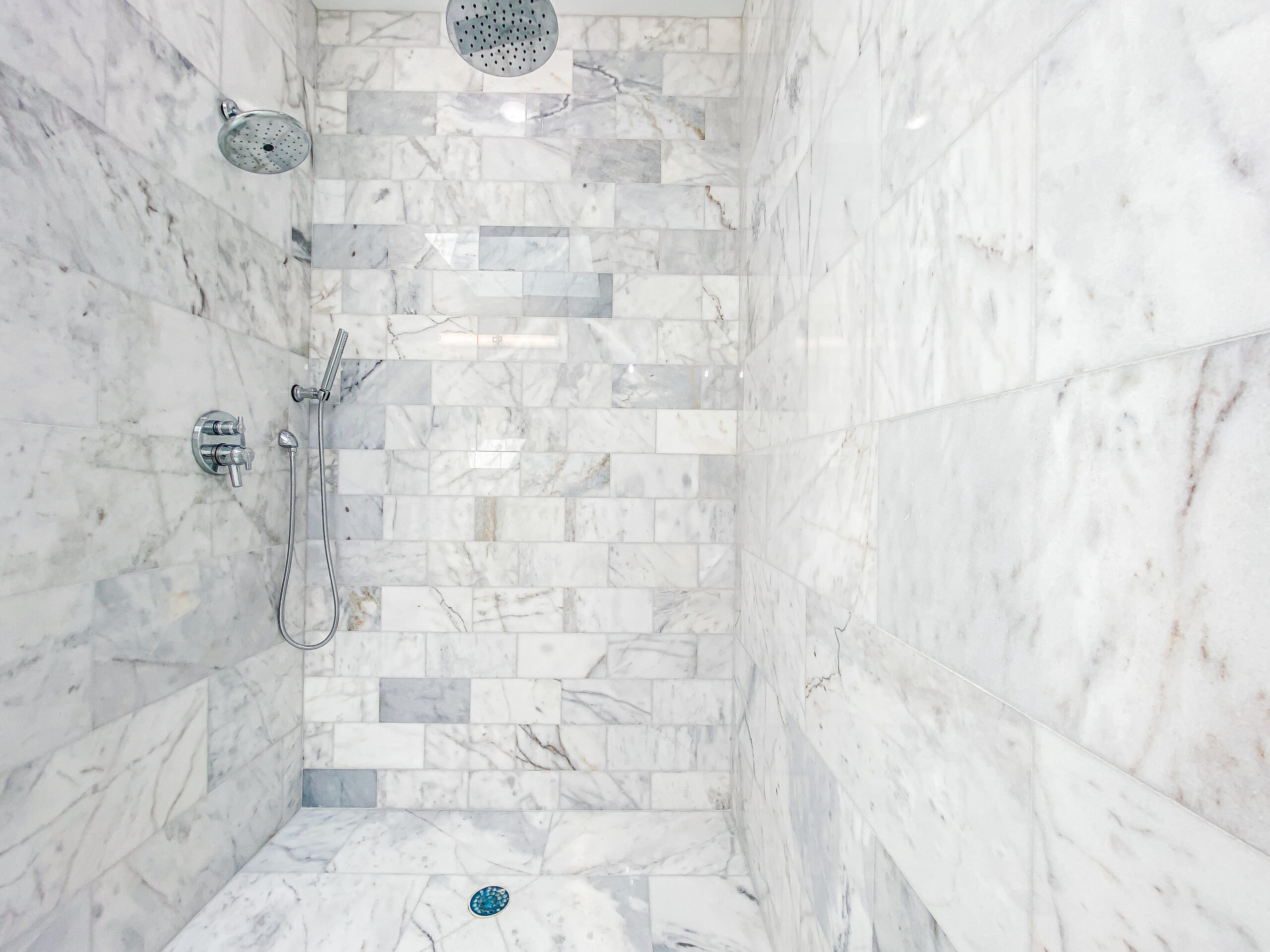
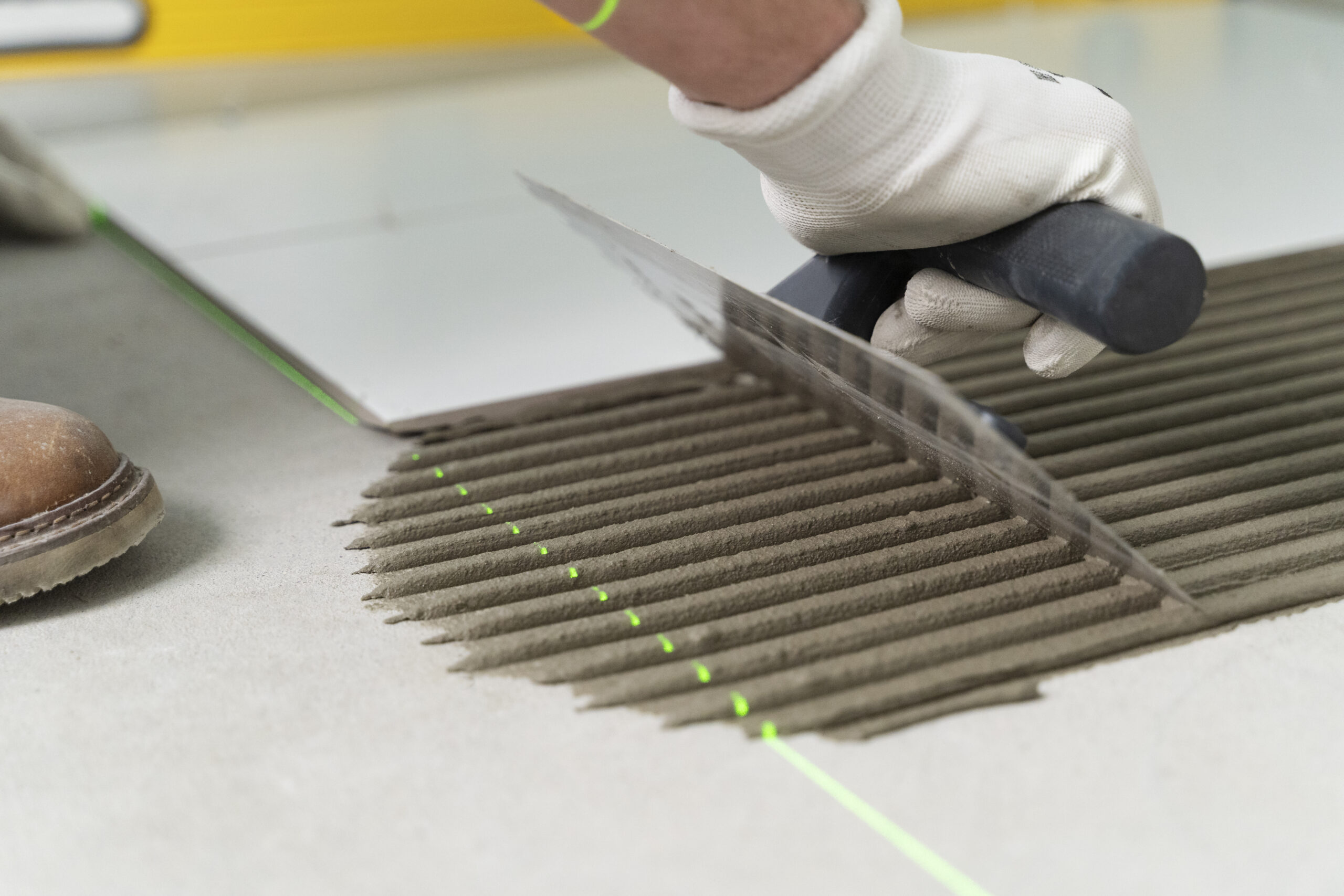
Before approving a quote related to bathtub drain relocation, identify the decision the contractor is actually being asked to make. A new bathtub’s drain position can change the entire installation scope. A property in Northern Liberties may present different access or assembly details from one in Roxborough, so a site assessment comes before a standard solution.
Start with the existing condition
Tub replacements with different drain positions affect joists, drain slope and access. Compare existing trap position, joist orientation and the exact manufacturer cut sheet before approving the tub. A condition-focused inspection should also record dimensions, adjacent materials, signs of movement or moisture, and whether the assembly can be opened without disturbing a connected system. Photos and a simple field sketch make it easier to compare the proposed work with what is actually installed. If an important component is concealed, the proposal should say whether selective opening or a qualified trade evaluation is needed before the final scope can be confirmed.
What the scope should actually solve
Avoid approving a new tub model before checking existing plumbing and the floor cavity. That distinction matters because a limited repair should address a verified local defect, while more extensive work can be justified when neighboring components are unsound. Ask how the recommendation would change if concealed damage is discovered.
Avoid a repair that hides the underlying problem
Ordering a tub before checking its drain location may require unplanned plumbing work. Before choosing an approach, ask for the exact condition that the proposed work will correct, the material or equipment compatibility that has been checked, and the condition that would trigger a revised scope. For Philly Kitchen & Bath LLC, a useful proposal states the limits of the work as clearly as it states the new installations.
Local permits, inspections and trade coordination
For properties inside Philadelphia, permit needs vary by the scope and type of work. Routine finish work and structural changes may be treated differently, so verify requirements before scheduling demolition. Philadelphia building and repair permit guidance. Check the current requirements for the project address; ask which party will obtain approvals and request inspections. If the work opens existing walls, ceilings or floors, confirm how utilities and adjacent finishes will be protected and restored.
Questions to ask before approving the work
What evidence supports the recommended work? Request photographs or measurements tied to the specific bathtub drain relocation issue, not a general claim that the entire area has failed.
What is still concealed? Ask which areas cannot be inspected until selective demolition and how any newly discovered condition will be documented and approved.
Plan the next step with a written scope
For a project in Northern Liberties or Roxborough, the best first decision is to define the inspection and repair boundary rather than select finishes too early. Review the relevant kitchen and bathroom remodeling services to understand the available service category, then arrange an on-site evaluation with Philly Kitchen & Bath LLC. Request a scope that identifies the expected sequence, items to be supplied or selected, protection and cleanup, permit responsibilities, exclusions, and how concealed conditions would be handled through written change approval. A clear plan makes it easier to compare proposals and avoid work that must be reopened after the next trade arrives.