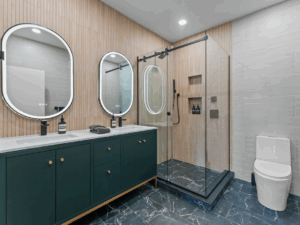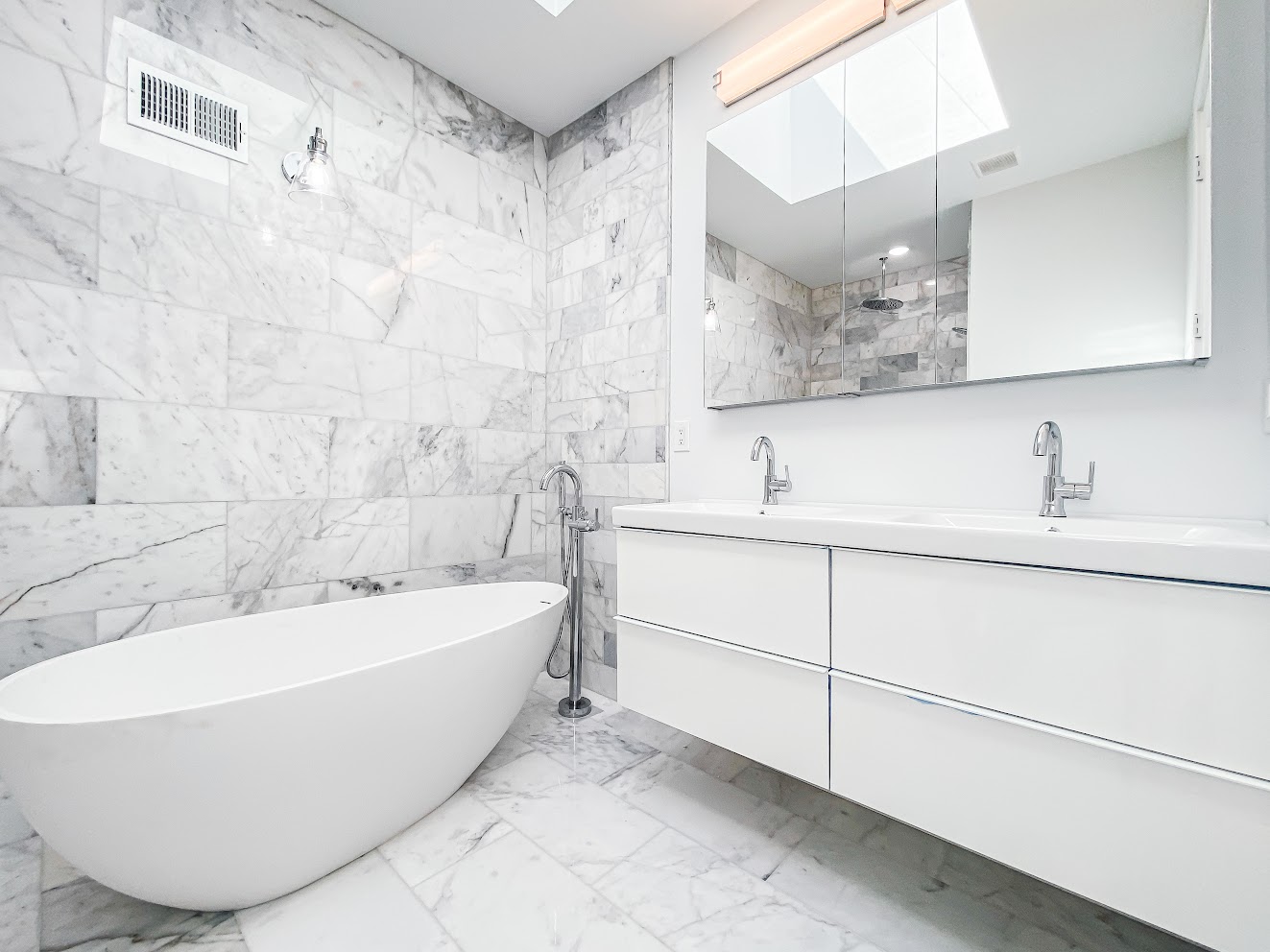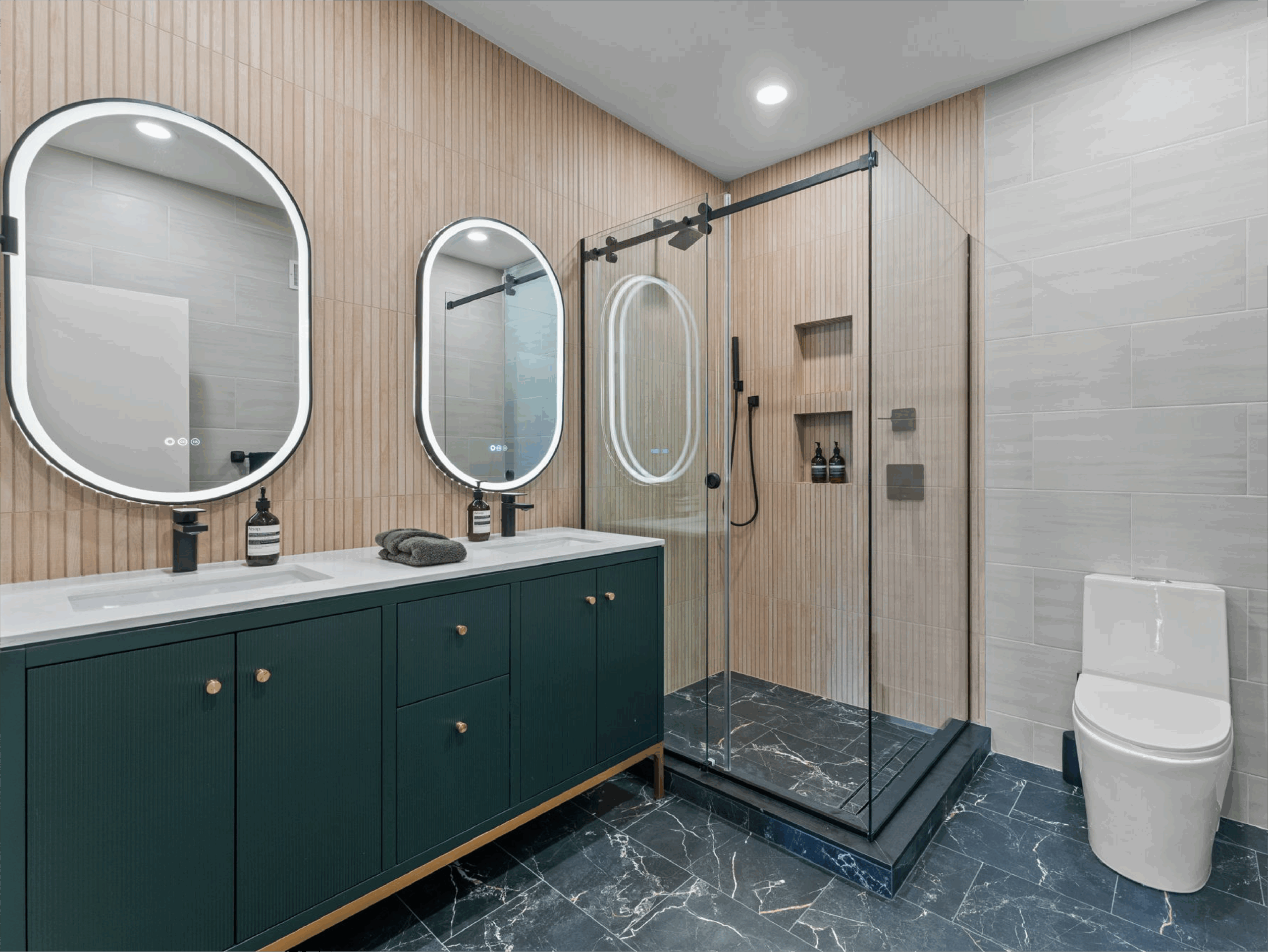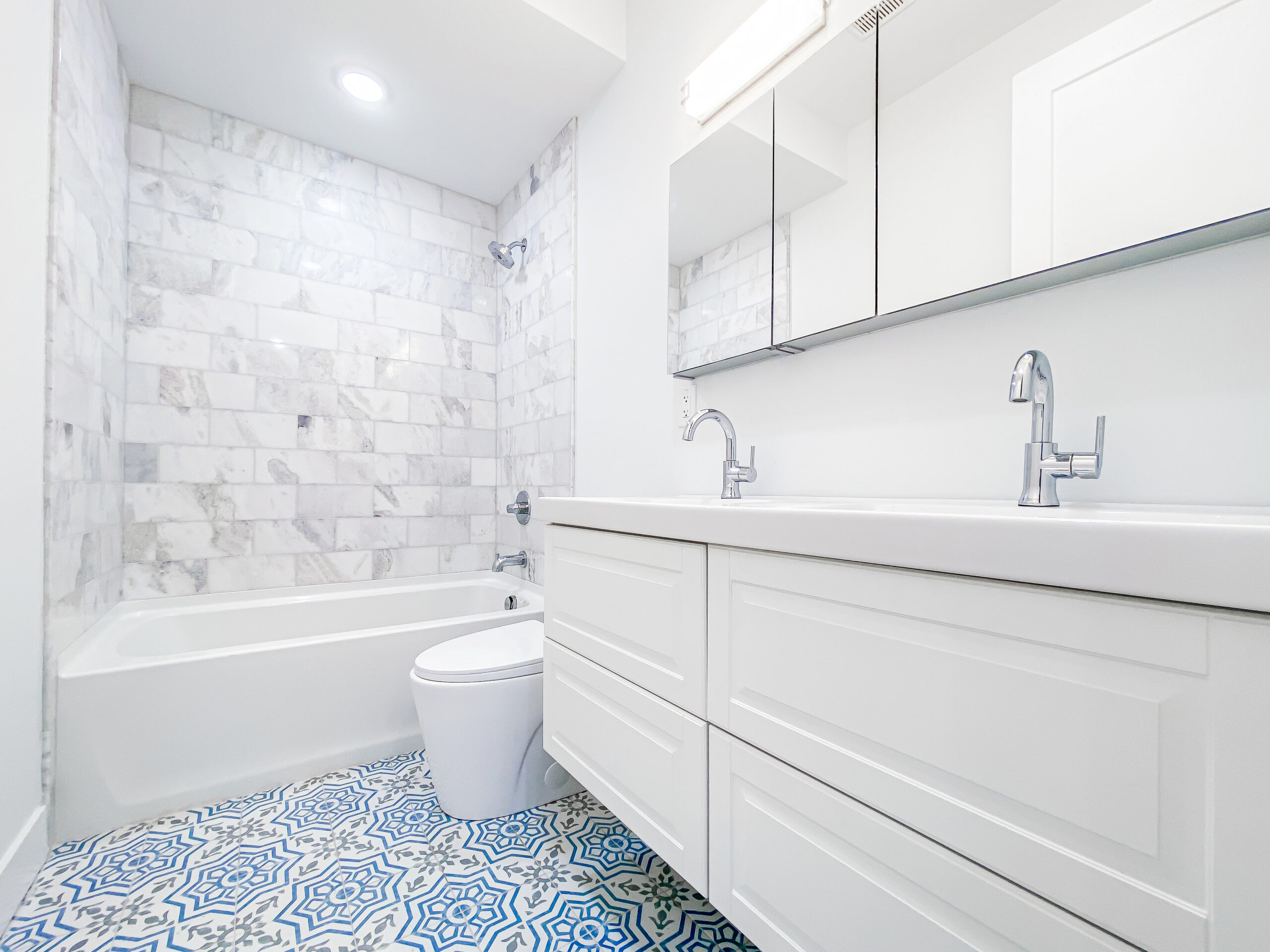
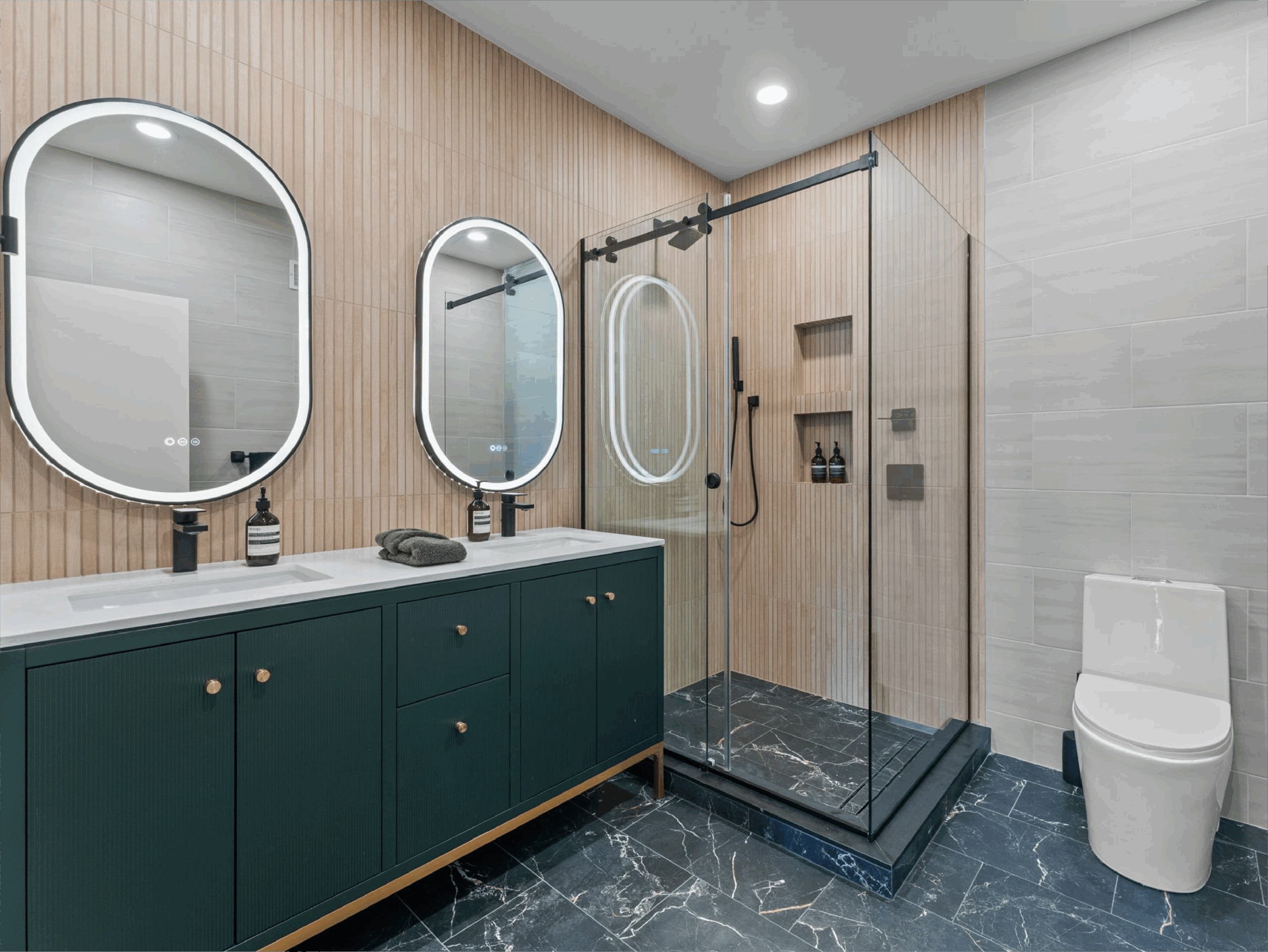
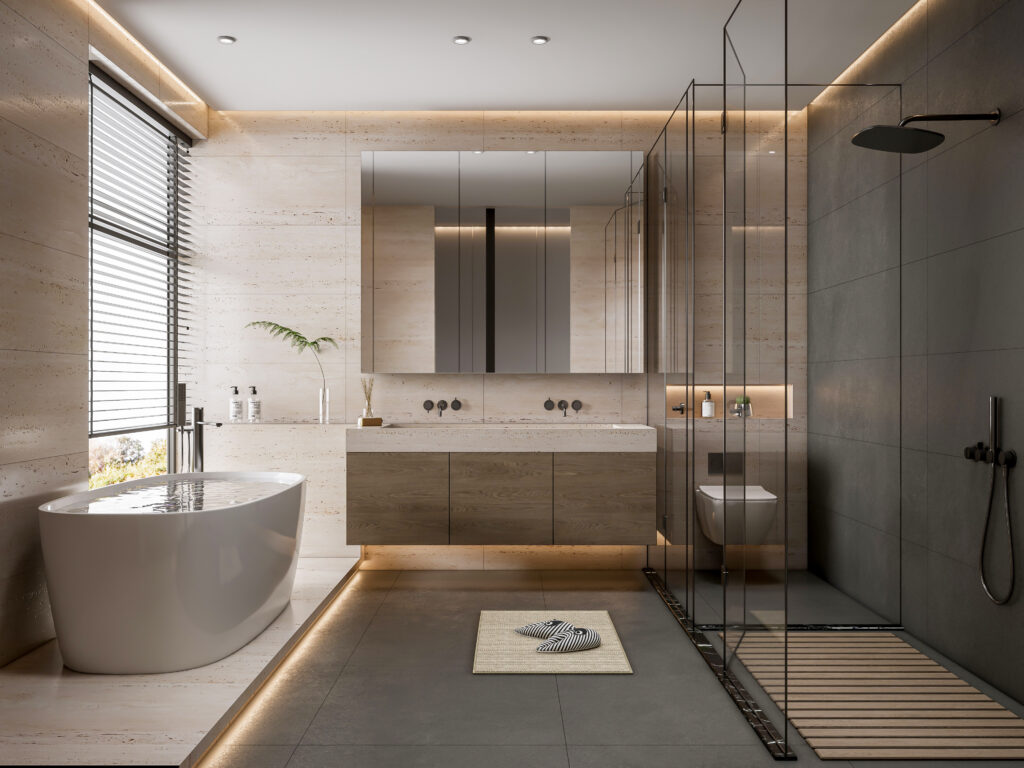
A wall-mounted vanity can visually open a bathroom by exposing more floor and creating a clean horizontal line, but it transfers cabinet load to the wall and changes plumbing concealment.
The Visible Symptom Is Only the Starting Point
Northern Liberties and Center City bathrooms may have masonry walls, old framing, irregular plaster, or tight plumbing chases that change the attachment strategy.
Why Location and Housing Stock Matter
Confirm backing, drain and supply locations, sink type, drawer clearance, mirror, outlets, and finished height before tile and wall finishes close the cavity.
What the Contractor Should Inspect
Floating vanities can use drawers efficiently, but homeowners should inventory toiletries, towels, and cleaning supplies before giving up floor-level storage. A recessed medicine cabinet or nearby linen tower can recover capacity.
Build the Scope Around Long-Term Service
The visual benefit is strongest when floor tile, mirror width, lighting, and wall proportions reinforce the same geometry. Choose it because it improves the room, not only because it is fashionable.
Frequently Asked Questions
Are floating vanities strong enough for stone tops?
They can be when the cabinet, backing, fasteners, and installation are designed for the load.
Do floating vanities save space?
They can improve visual openness and floor clearance, but actual storage depends on the cabinet design.
Can one be installed on masonry?
Potentially, with an attachment method appropriate to the wall and vanity system.
Plan the Next Step
Philly Kitchen & Bath can compare floating and floor-mounted vanity options around storage, plumbing, tile, lighting, and exact bathroom dimensions.
Helpful source: U.S. EPA WaterSense