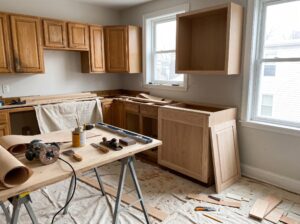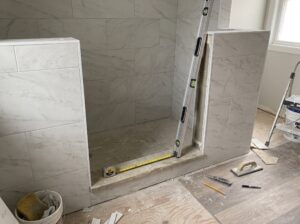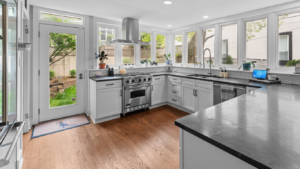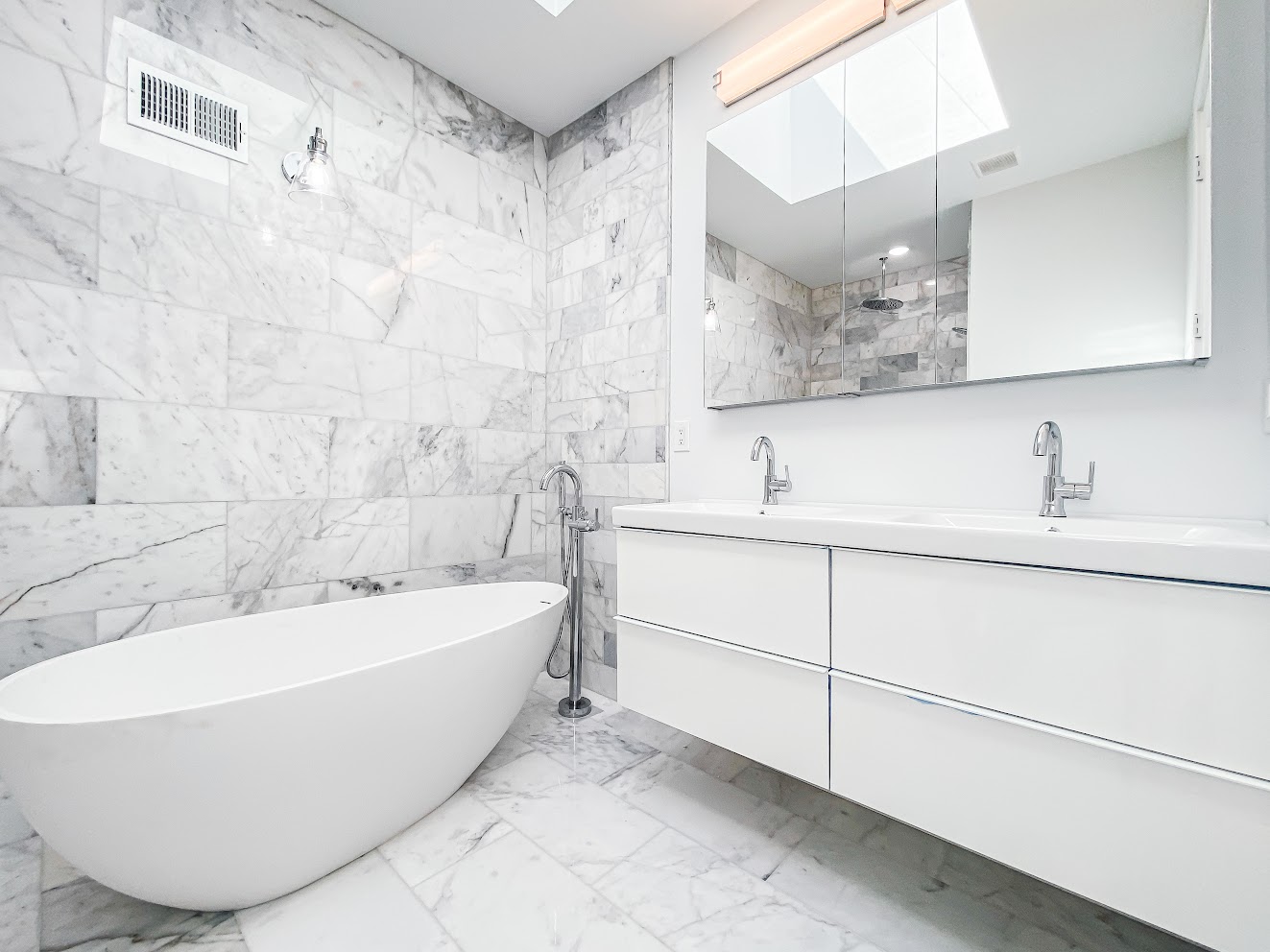
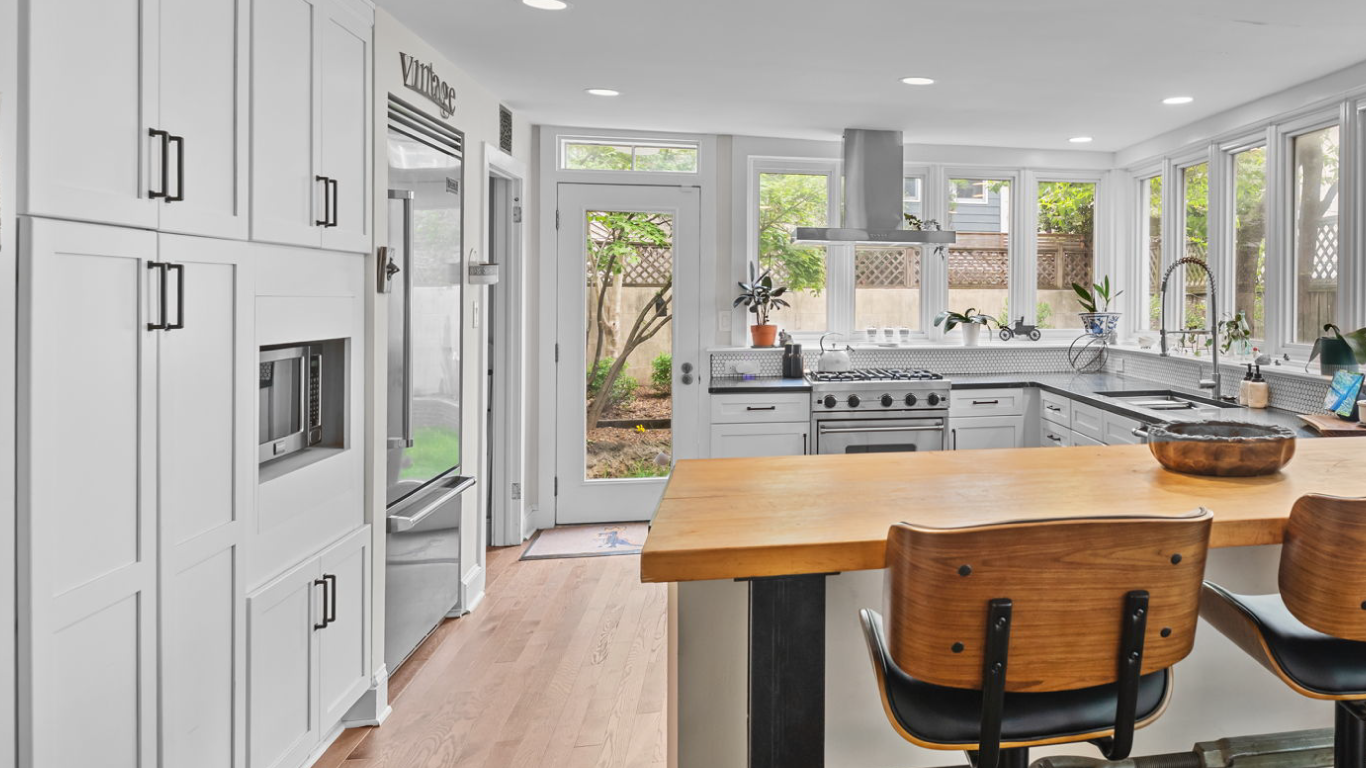
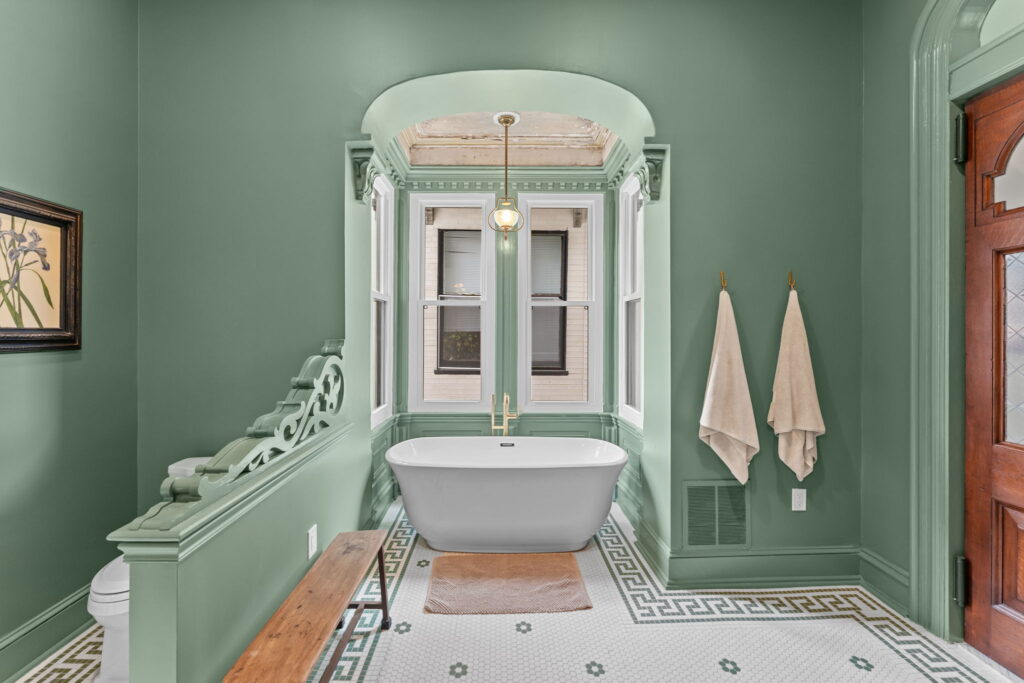
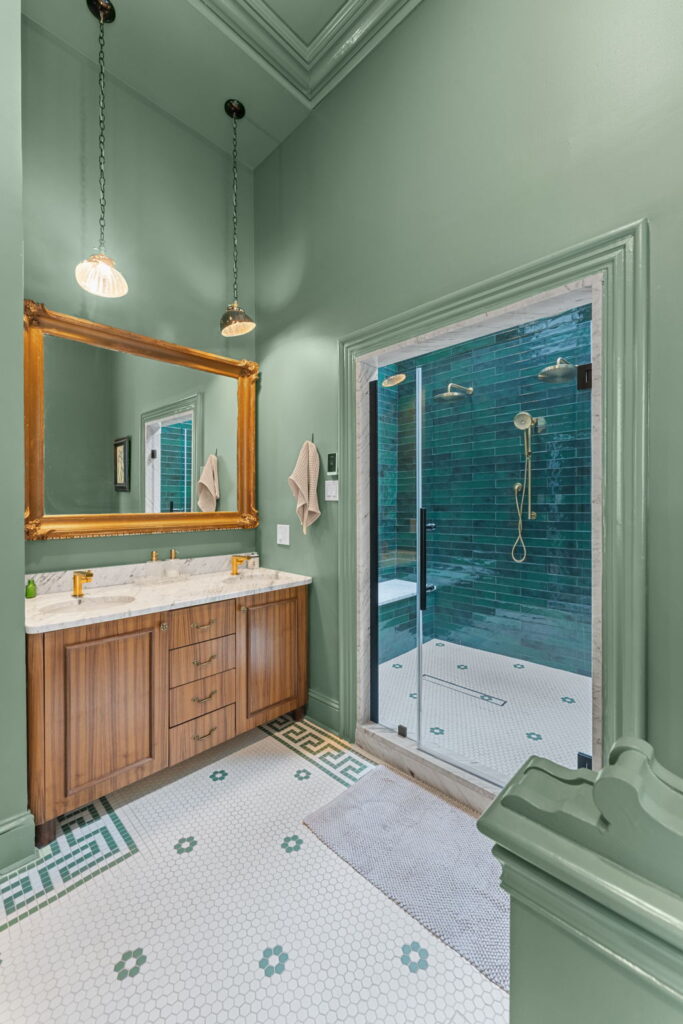
Moreover, Philadelphia’s rich architectural heritage is evident in the historic townhomes across Fairmount, Center City, and Rittenhouse Square. Built during the 19th and early 20th centuries, these homes showcase exceptional craftsmanship, featuring high ceilings, deep crown moldings, decorative wainscoting, and intricate hardwood staircases.
Restoring these grand historic interiors while introducing tailored modern amenities demands precise architectural millwork, historic spatial preservation, and custom interior carpentry.
Harmonizing Historic Architecture with Modern Living
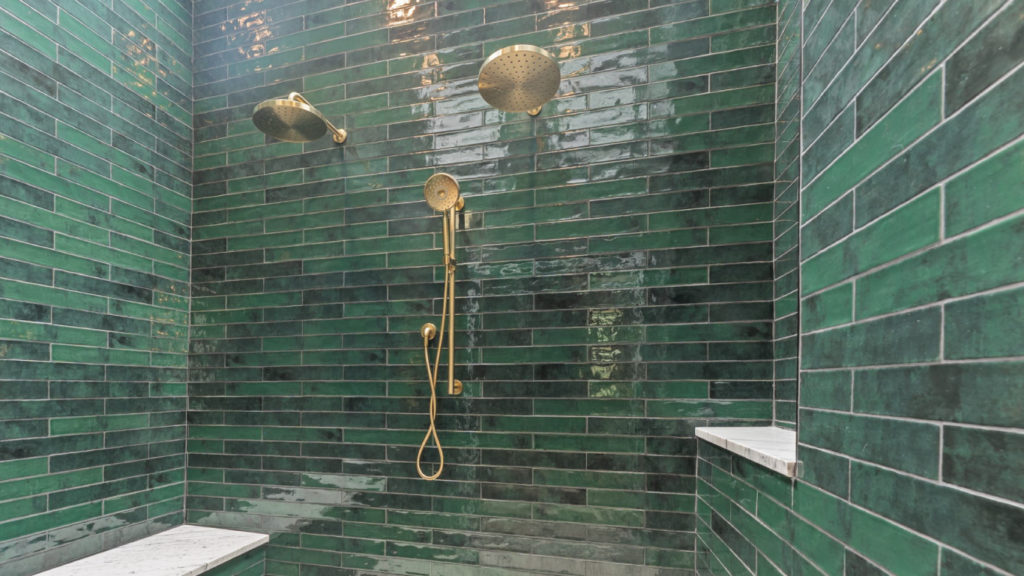
Living in a historic home should complement modern lifestyle habits. Enhancing historic interiors requires balancing the preservation of original character with updates that improve storage, acoustics, and visual cohesion.
+——————————————————————-+
| HISTORIC INTERIOR ENHANCEMENT MATRIX |
| |
| [1. Historic Profile Molding] –> [2. Applied Wall Paneling] |
| | |
| [4. Integrated Built-In Storage]<– [3. Custom Walk-In Closets] |
+——————————————————————-+
Key millwork enhancements include:
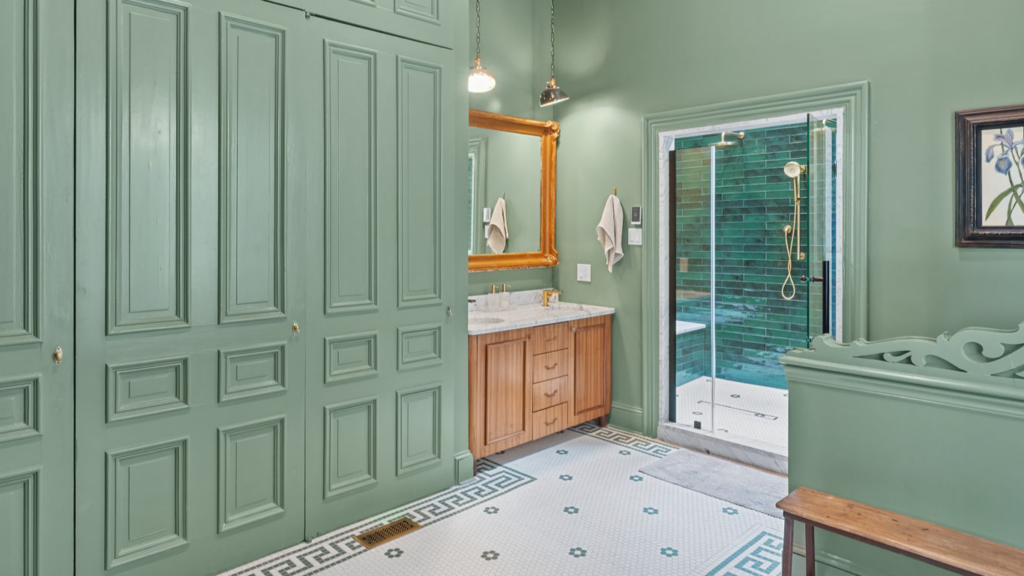
- Custom Applied Wall Paneling & Wainscoting: Installing recessed paneling, picture frame moldings, or traditional board-and-batten designs adds rich depth and texture to long hallway stretches and dining rooms.
- Integrated Custom Closet Systems: Historic rowhomes were built with minimal closet space. Custom walk-in closets, built-in wardrobes, and alcove cabinetry maximize vertical storage while matching the home’s historic casing profiles.
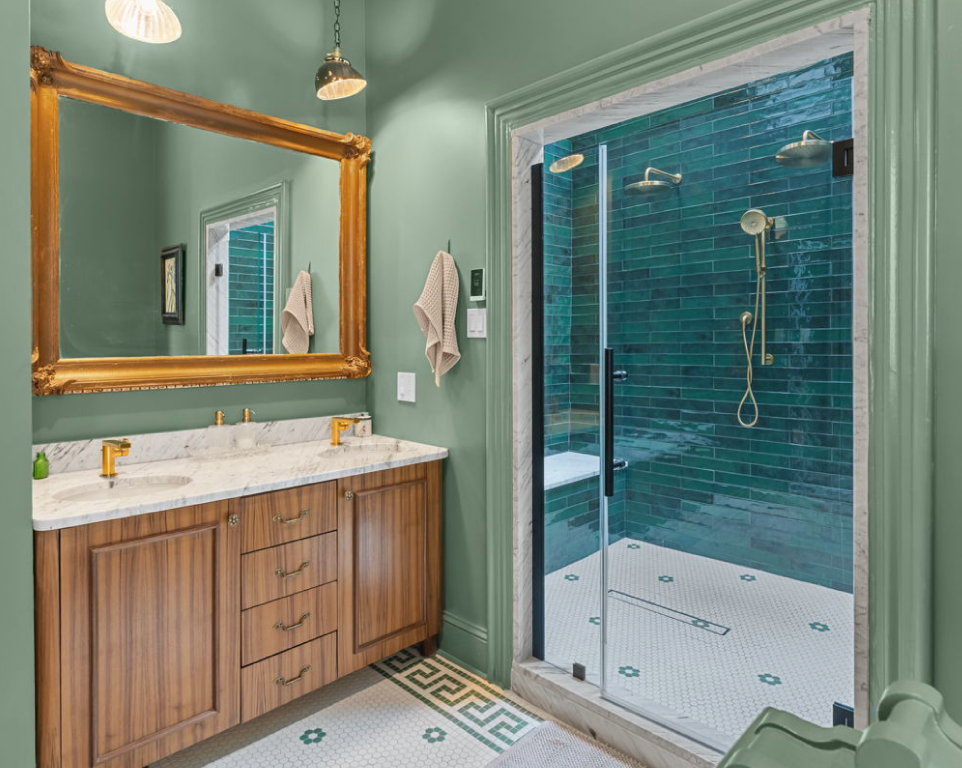
- Crown Molding and Casing Restoration: Replicating damaged historic plaster or wood casings using custom-milled profiles preserves architectural consistency across rooms.
Homeowners seeking inspiration for custom millwork and historic architectural enhancements can explore our portfolio of custom interior craftsmanship.
Technical Considerations in Historic Millwork Restoration
Working within historic structures requires specialized techniques to handle out-of-plumb masonry walls and non-level floors without distorting new wood installations.
+—————————————————————–+
| PRECISION MILLWORK PREPARATION |
| |
| Non-Level Historic Subfloors –> Scribing Custom Baseboards |
| Out-of-Plumb Masonry Walls –> Back-Shimming Panel Trims |
| Seasonal Humidity Variations –> Expansion-Tolerant Joints |
+—————————————————————–+
Following the National Park Service: Technical Preservation Services Guidelines → https://www.nps.gov/orgs/1739/index.htm helps maintain architectural authenticity while integrating non-destructive millwork adaptations within historic home envelopes.
Essential Millwork Methods:
- Scribing to Irregular Surfaces: Custom baseboards, wainscoting cap rails, and built-in closet units are hand-scribed to fit closely against historic, uneven plaster walls without leaving wide gap lines.
- Back-Shimming and Wall Leveling: Installing hidden backing strips behind new wall paneling creates flat, level mounting planes across older, curved masonry walls.
- Moisture-Stable Timber Selection: Using quarter-sawn hardwoods or high-density furniture-grade composite substrates prevents panels from warping or shrinking during Mid-Atlantic summer humidity changes.
Frequently Asked Questions
Can custom walk-in closets be added to older rowhomes without altering room footprints?
Yes. Designers frequently convert smaller adjacent bedrooms into dedicated dressing rooms or build out shallow alcove walls using custom floor-to-ceiling wardrobes that mimic built-in architectural paneling.
How do custom millwork panels improve room acoustic insulation?
Adding wood wainscoting, backing boards, and acoustic insulation along shared brick party walls dampens sound transmission between adjacent townhomes, creating quieter interior living spaces.
Can historic decorative wood trim be matched to original designs?
Yes. Master carpenters take exact rubber mold impressions of original plaster or wood trims and mill identical replacement profiles using matching wood species.
What paint finishes work best on interior architectural paneling?
Satin and semi-gloss enamels offer durable, washable finishes that highlight sharp panel bevels, shadow lines, and decorative moldings.
Elevate Your Historic Home’s Interiors
Preserving the character of a historic Fairmount or Rittenhouse Square home while introducing modern custom storage elevates daily living and enhances long-term property value. Tailored interior carpentry transforms traditional rooms into refined, timeless spaces. Contact Philly Kitchen & Bath LLC today to discuss your historic restoration and custom interior design project.