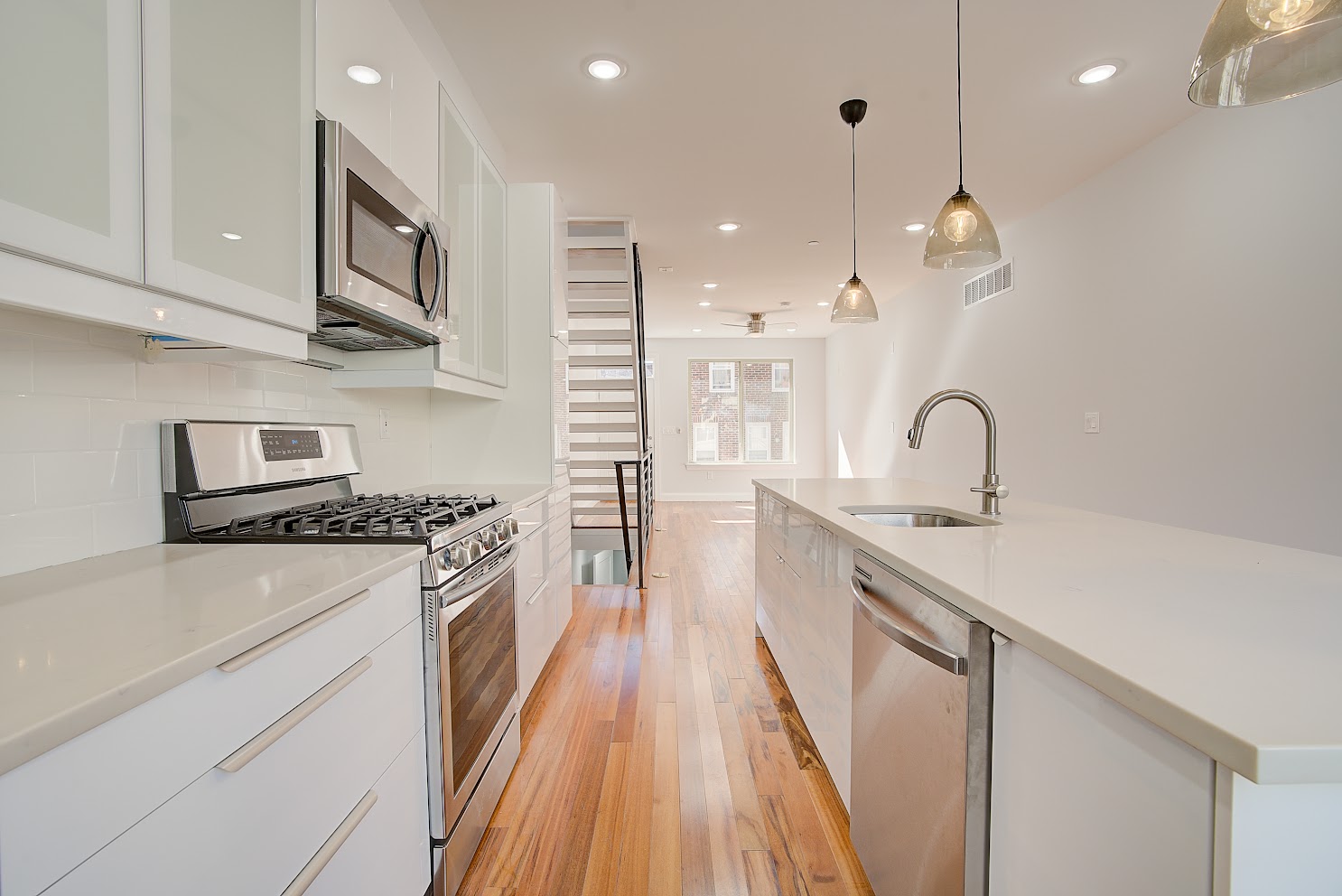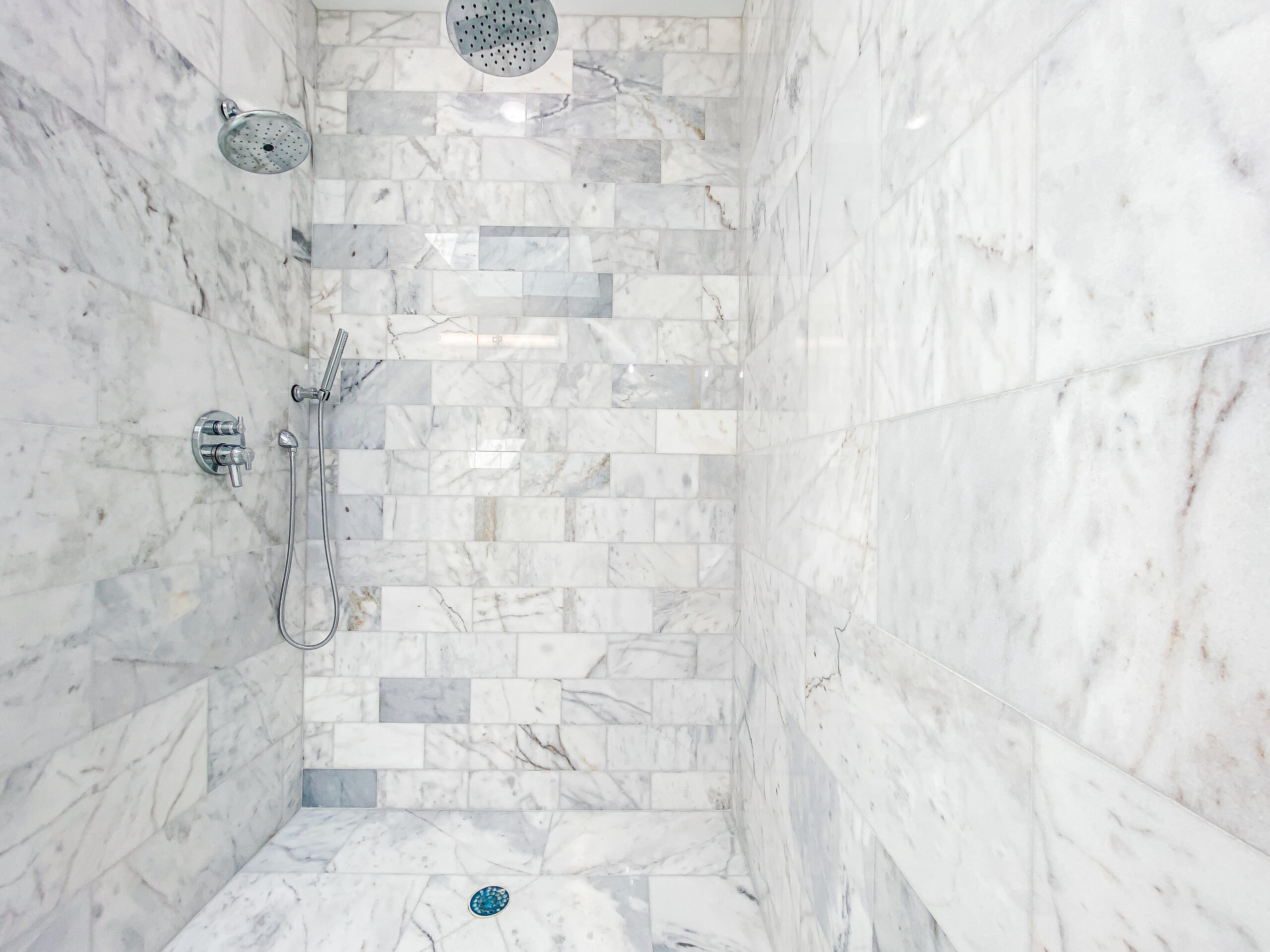
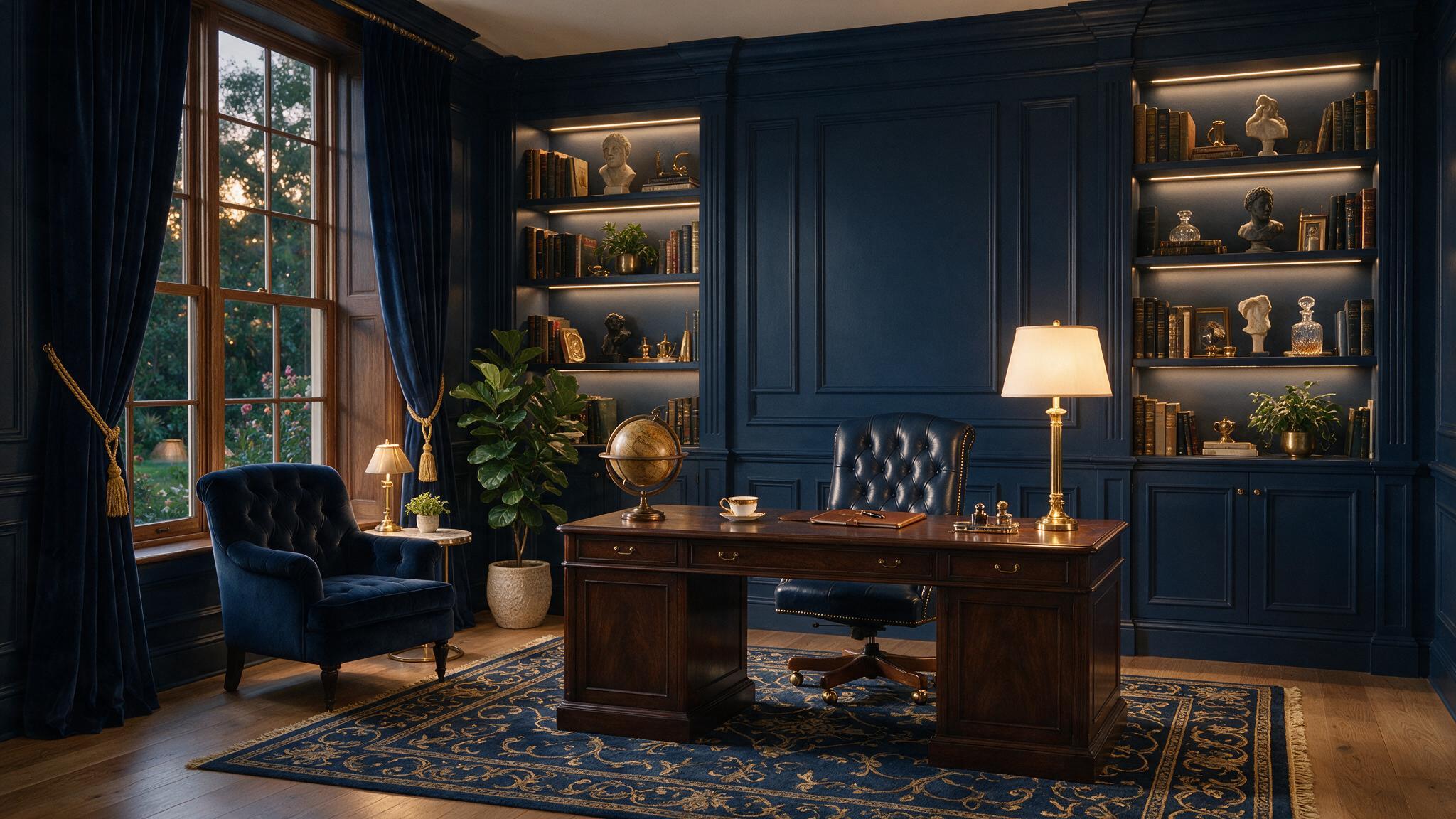
The difference between a standard living room and a truly spectacular architectural space often comes down to the interior millwork. For high-end residences and luxury condominiums surrounding Rittenhouse Square and Society Hill, custom wall paneling and built-in cabinetry provide an unmatched level of sophistication. Adding floor-to-ceiling wainscoting or bespoke library shelving transforms blank drywall into richly textured, highly functional art. Understanding the materials, design planning, and labor costs associated with custom millwork helps you accurately budget for these elegant interior upgrades.
Types of Architectural Wall Paneling
The style of paneling you choose dictates both the aesthetic impact and the total project cost. Millwork is highly customizable, ranging from subtle lower-wall accents to dramatic, full-room installations.
Traditional Raised Panel Wainscoting
Raised panel wainscoting is a hallmark of classic, formal design. It features a solid wood frame surrounding a raised, beveled center panel, usually covering the lower third or half of the wall (typically 36 to 42 inches high). This style adds immediate gravitas to formal dining rooms, entry foyers, and executive home offices. Because it requires intricate routing and thick, premium wood stock to create the raised center profiles, it is one of the more labor-intensive and costly styles of paneling.
Board and Batten and Shiplap
For a slightly more relaxed or transitional aesthetic, board and batten paneling uses vertical strips of wood (battens) installed over flat panels to create geometric, recessed squares or rectangles. This style can easily be extended all the way to the ceiling for a dramatic, modern look. High-quality shiplap—when executed with precision, gap-spacing, and premium wood rather than cheap MDF—provides a clean, horizontal texture that adds warmth and subtle visual interest without overwhelming the space.
Integrating Functional Built-Ins
Wall paneling is frequently paired with built-in cabinetry to maximize both form and function. In urban Rittenhouse Square properties where square footage is highly valuable, built-ins provide massive storage capacity without consuming valuable floor space.
Custom Libraries and Media Centers
Flanking a living room fireplace with custom, floor-to-ceiling bookshelves creates a stunning focal point. When designing built-ins, details matter. Integrating closed cabinetry at the bottom hides electronics, media cables, and clutter, while open, adjustable shelving above displays art and literature. Incorporating specialized low-voltage LED channel lighting directly into the shelving illuminates the display without producing harsh glare.
Factors Influencing Millwork Costs
Custom carpentry is an investment in your property’s permanent architecture. Several variables drive the cost of these projects.
Wood Species and Finish
The material you select is the primary cost driver. If you plan to paint the millwork a crisp white or a moody, dark color, the carpenter can utilize a mix of stable, smooth paint-grade materials like poplar wood and high-density MDF for the flat panels. However, if you desire a rich, natural wood finish, the project requires premium stain-grade hardwoods such as cherry, mahogany, or rift-sawn white oak. These hardwoods are significantly more expensive to source and require meticulous, flawless joinery, as the natural grain hides no imperfections.
The Value of Professional Craftsmanship
Installing high-end millwork in historic properties requires a master carpenter. According to the Architectural Woodwork Institute (AWI), premium interior woodwork relies on precise scribing techniques to ensure the rigid, perfectly straight wood panels mate flawlessly with the uneven, out-of-plumb walls and floors typical of older homes. Expert installation prevents unsightly gaps and ensures the paneling remains stable throughout decades of seasonal humidity changes.
Elevate Your Interior Architecture
Investing in custom interior millwork completely redefines the luxury and character of your home. Whether you envision a formal wainscoted dining room or a fully paneled home library, our master carpenters execute every detail with precision. To explore design options and request a consultation for premium custom wall paneling in Philadelphia, contact Philly Kitchen & Bath LLC today.
FAQs:
- What is the difference between wainscoting and wall paneling? Wall paneling is a broad term for covering a wall with wood panels. Wainscoting is a specific type of wall paneling that is applied only to the lower portion of the wall, usually capped with a chair rail molding.
- Can you install wall paneling over existing drywall? Yes. Depending on the style, the panels or battens are typically secured directly through the drywall into the structural wall studs behind it using heavy-duty construction adhesive and finish nails.
- Is MDF or real wood better for painted built-in cabinets? For painted applications, high-density MDF is excellent for the large, flat center panels because it is perfectly smooth and will not expand or shrink like solid wood. The structural face frames and doors, however, should be made of a strong, paint-grade hardwood like poplar.