
A shower that leaks repeatedly can turn a small bathroom annoyance into a remodeling decision. Replacing a bead of sealant may address one visible opening, but it will not resolve every possible cause. Before planning another surface repair, identify when the water appears and what parts of the bathroom are affected.
A useful bathroom remodeling plan connects the finished appearance with the components behind and beneath it. Tile, the shower base, waterproofing, plumbing connections, and adjacent surfaces need to work together.
Describe the pattern before choosing the fix
Does water appear only after the shower runs, after water reaches a particular corner, or even when the bathroom has not been used? Is the problem visible outside the shower, on the ceiling below, or inside an adjoining wall?
Photographs and a short history of the leak can help organize an evaluation. Include previous repairs and whether they changed the symptoms. The goal is to give the professional useful evidence rather than diagnose the problem from a stain alone.
Separate surface wear from assembly problems
Worn seals, damaged transitions, and problems within the shower assembly can produce similar symptoms. The visible grout or caulk does not reveal the condition of every concealed component. A contractor may need additional investigation before explaining the appropriate scope.
Ask which parts of the proposed work address the water source and which restore damaged finishes. That distinction matters when comparing a localized repair with a larger bathroom remodel. A broader project should have a reason tied to the condition and your goals, rather than simply the age or appearance of the tile.
Coordinate the remodel around the findings
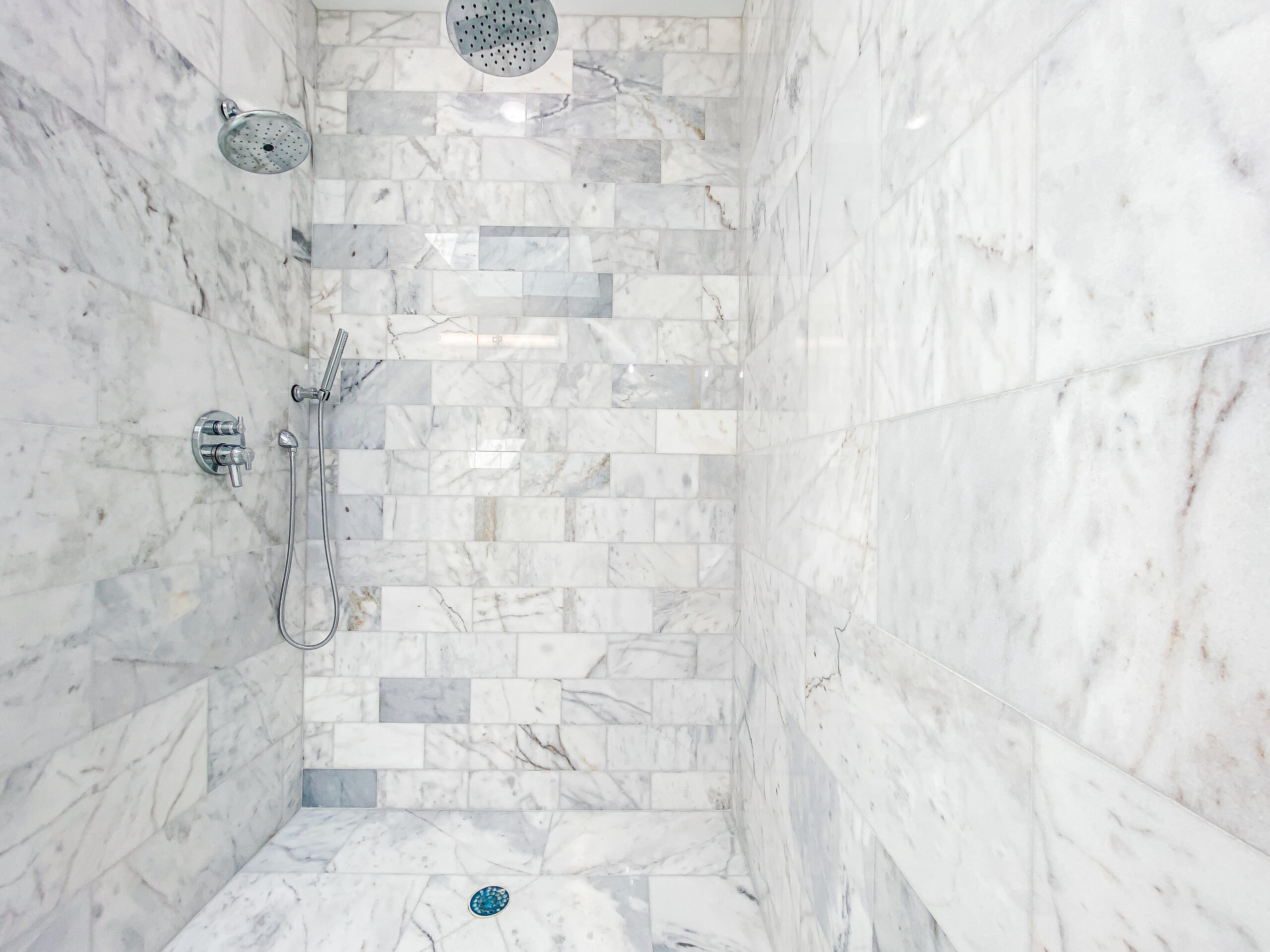
If the shower needs rebuilding, use the planning stage to review its dimensions, entry, storage, and relationship to the rest of the bathroom. Confirm how waterproofing details, product selections, and plumbing work will be coordinated before finishes are installed.
Discuss what happens if removal reveals additional damaged material. A clear proposal should explain the initial scope and the process for documenting and approving changes. It should also identify the bathroom’s expected availability during construction.
Keep photographs of the recurring issue and any relevant repair records for the consultation. They can help connect the current symptoms with the work already attempted.
Contact Philly Kitchen & Bath to discuss bathroom remodeling that addresses the recurring shower problem while improving the room’s layout and usability.