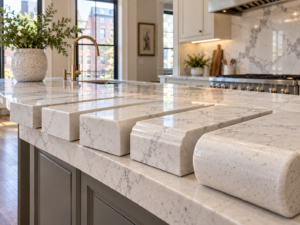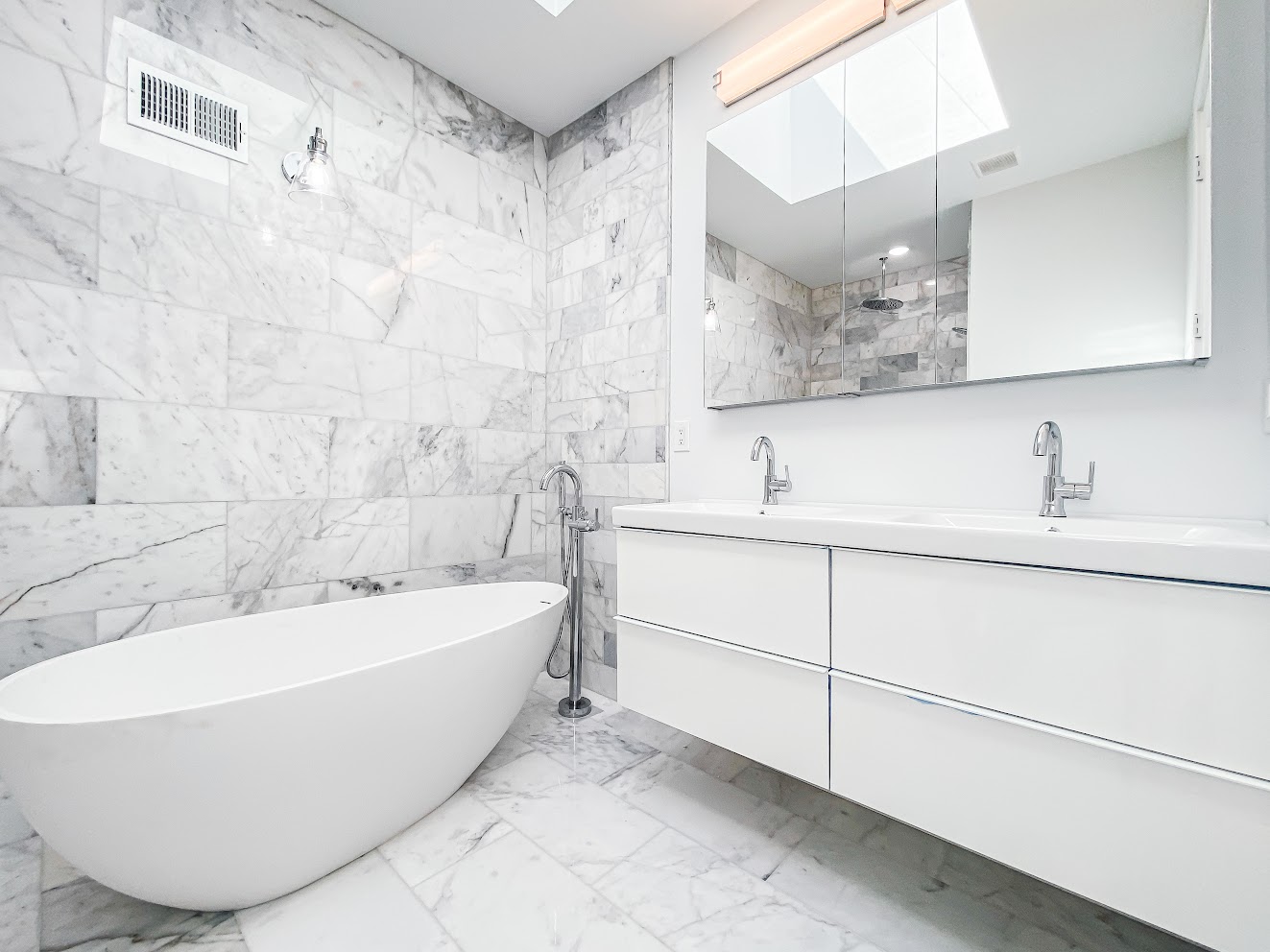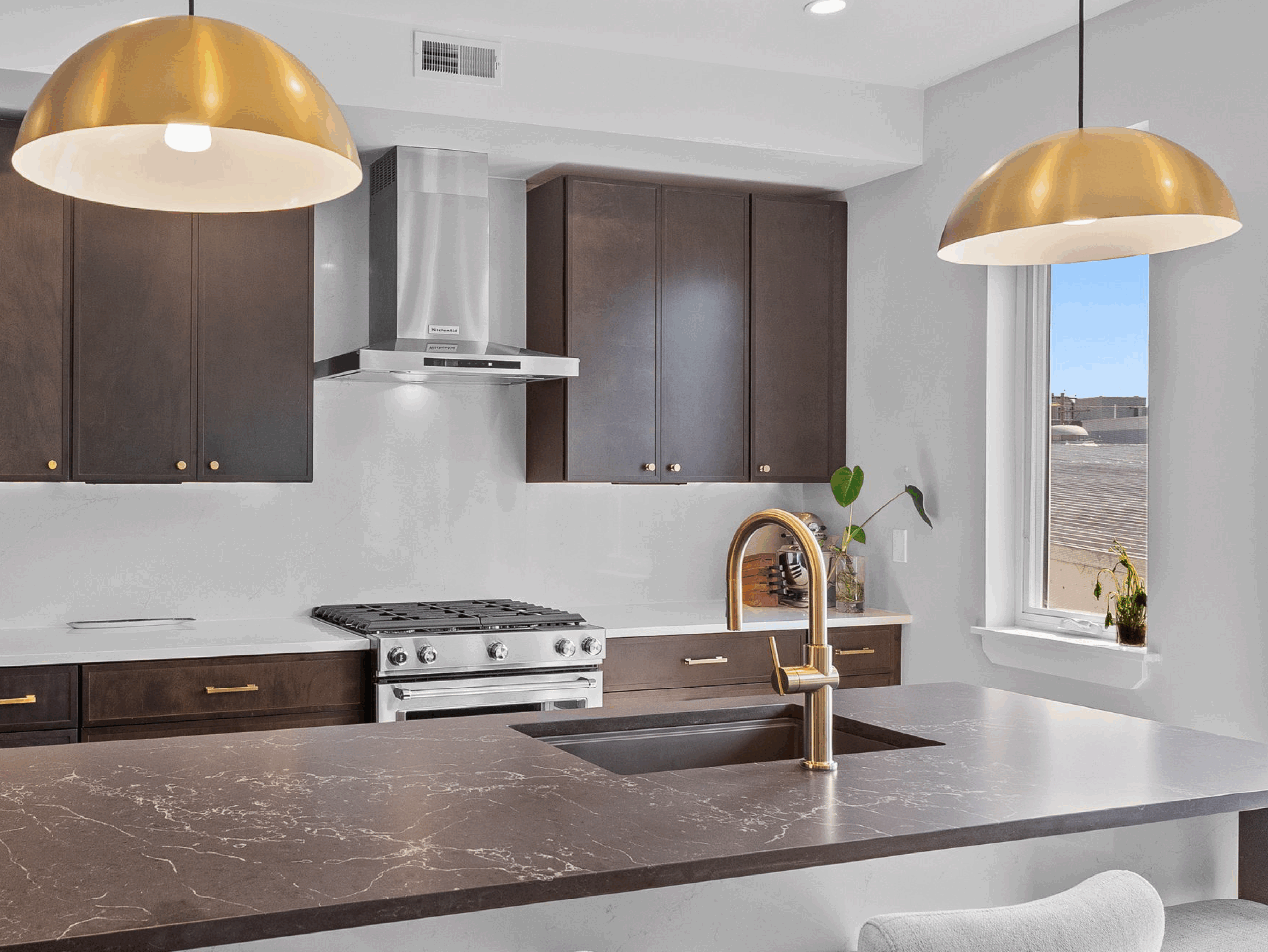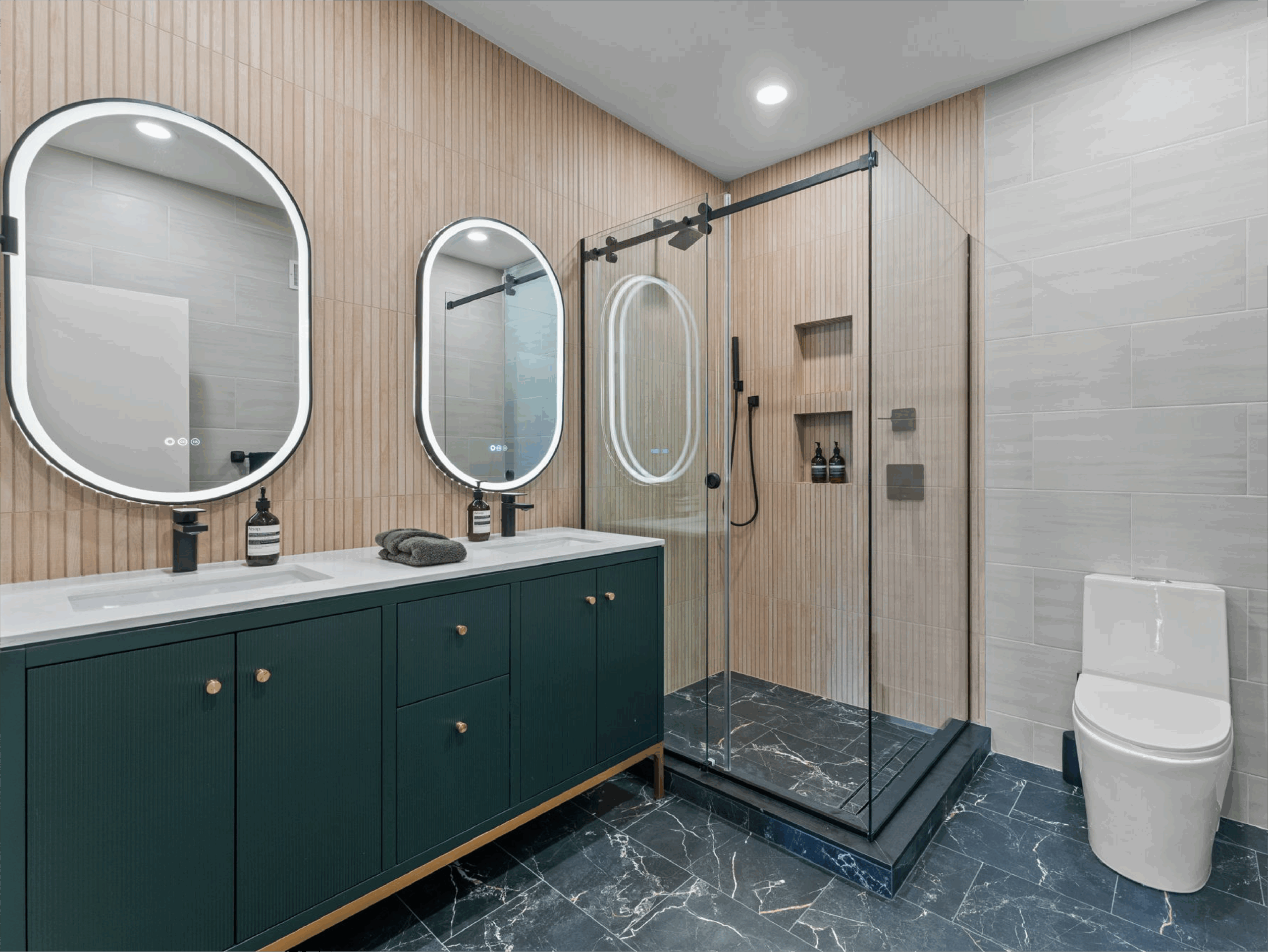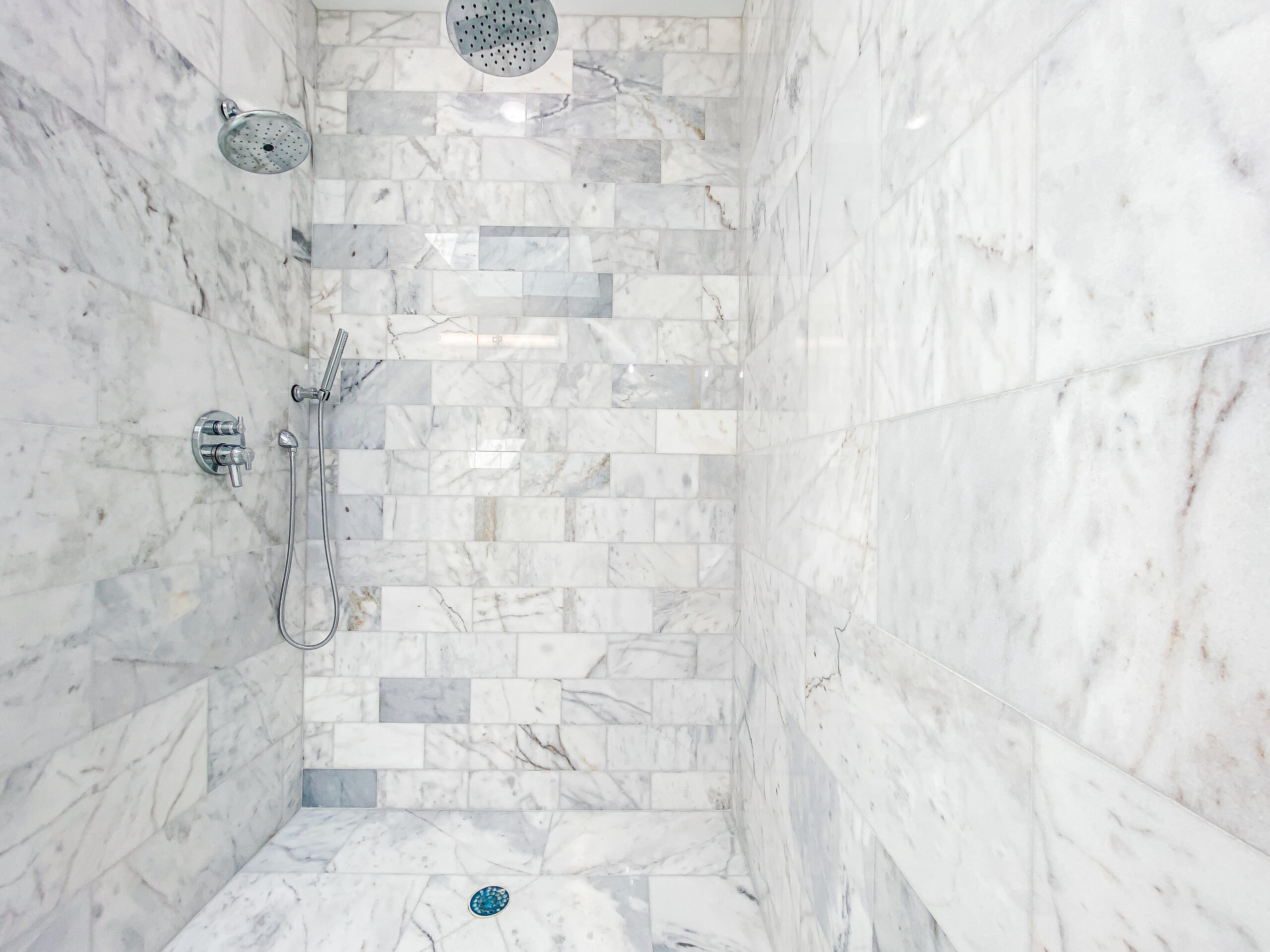

Tile serves as the visual foundation and primary waterproof armor of any kitchen or bathroom renovation. Whether you are updating a classic mid-century home in Northeast Philadelphia, modernizing a stone colonial in Mount Airy, or remodeling a property in Roxborough, selecting the correct tile involves more than just picking a color from a showroom display. Different tile materials, formats, and surface finishes perform differently under daily foot traffic, moisture exposure, and cleaning routines. Understanding these material characteristics and their specific installation requirements ensures your new tile surfaces remain structurally sound and visually stunning for decades.
Comparing Tile Materials: Porcelain, Ceramic, and Natural Stone
The tile market offers three primary material categories, each suited to specific residential applications:
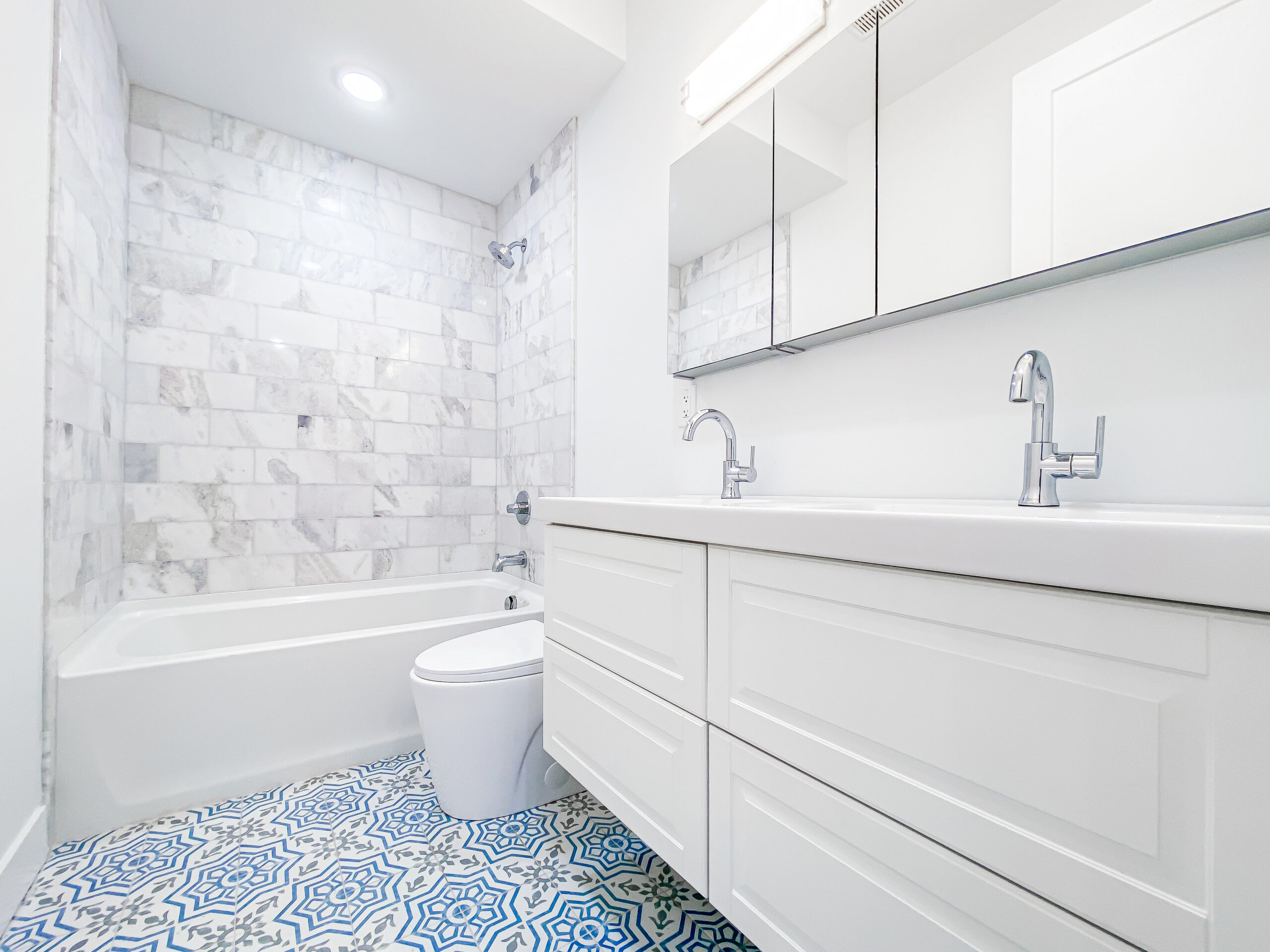
- Porcelain Tile: Manufactured from dense clay fired at extremely high temperatures, porcelain is impervious to water absorption and highly resistant to chipping, staining, and scratching. High-definition digital printing allows porcelain to replicate the look of natural marble, travertine, or hardwood planks without the associated maintenance, making it the superior choice for bathroom floors, walk-in shower walls, and high-traffic kitchen entryways.
- Ceramic Tile: Fired at lower temperatures than porcelain, ceramic tile is slightly softer and more porous. While not recommended for heavy-traffic floor areas or freezing outdoor applications, glazed ceramic tile offers exceptional color vibrancy, intricate geometric patterns, and easy cutting, making it an ideal, cost-effective option for kitchen backsplashes and vertical bathroom accent walls.
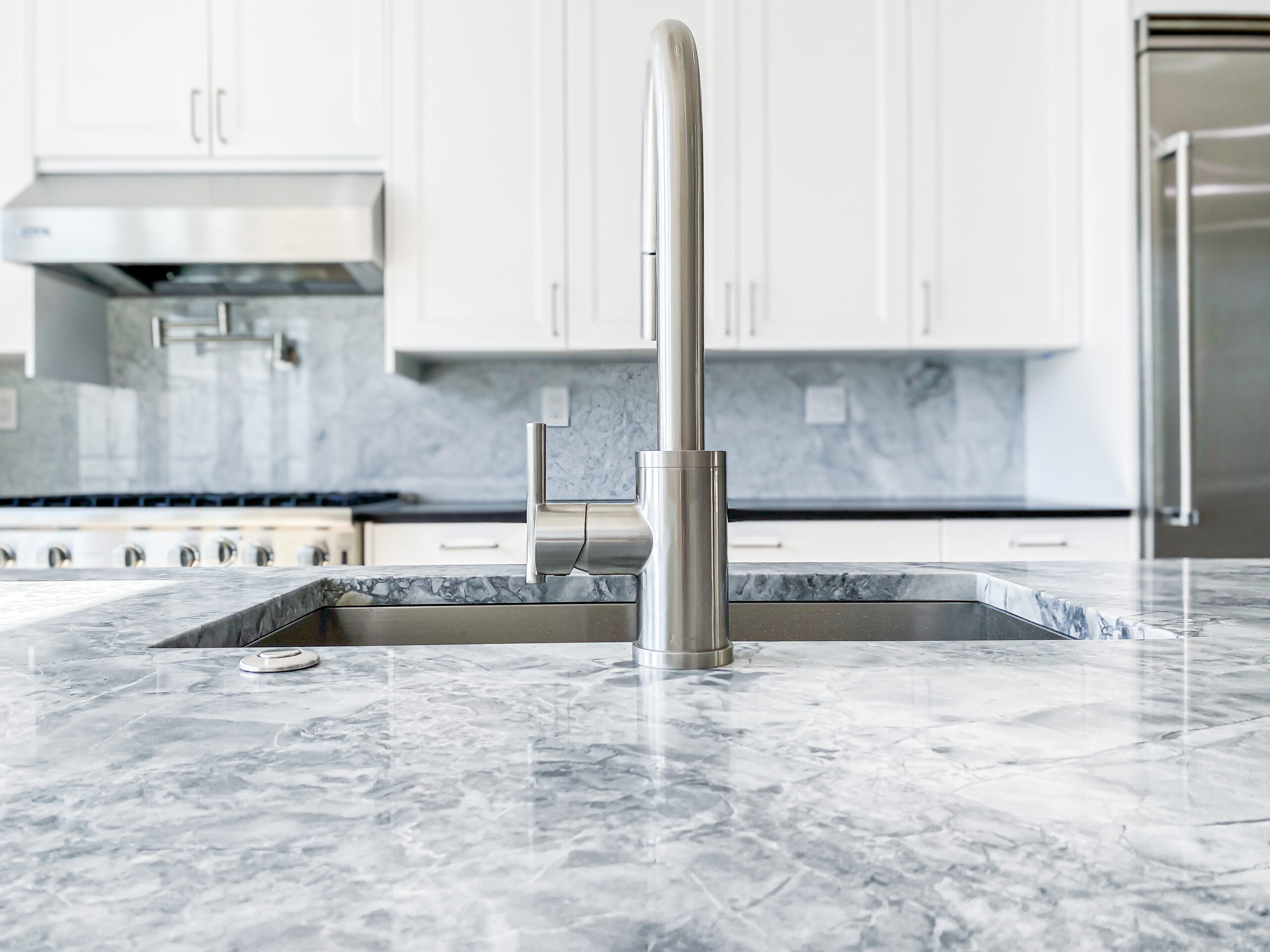
- Natural Stone Tile: Genuine marble, slate, limestone, and granite bring authentic organic texture and unique veining to interior spaces. However, natural stone is porous and chemically sensitive. It requires sealing upon installation and regular resealing throughout its lifespan to prevent water absorption and staining from acidic liquids like soap, shampoo, or citrus juice.
Surface Preparation and Waterproofing Systems
The longevity of any tiled surface depends entirely on the stability and water resistance of the substrate beneath it. Installing expensive tile directly over standard drywall or flexible plywood subfloors guarantees premature failure, cracked grout lines, and loose tiles.
In wet zones such as walk-in showers and bathtub surrounds, contractors must install moisture-resistant cement board or fiber-gypsum panels. These panels must be coated with a continuous liquid-applied elastomeric waterproofing membrane or covered with an impermeable sheet membrane system. Adhering to strict Tile Council of North America installation standards ensures that shower pans are sloped precisely at one-quarter inch per foot toward the drain, preventing standing water and protecting your home’s timber framing from catastrophic moisture rot.
Layout Planning, Formats, and Grout Selection
Modern tile trends heavily favor large-format tiles—defined as any tile with at least one edge exceeding fifteen inches. Using 12×24-inch or 24×48-inch porcelain tiles on bathroom walls and floors minimizes the total number of grout lines, creating a clean, expansive aesthetic that is significantly easier to clean. However, large-format tiles require perfectly flat subfloors; your contractor must use self-leveling underlayments and mechanical tile-leveling clip systems during installation to prevent uneven tile edges known as lippage.
Grout selection is equally critical to the final design. Traditional cement-based grouts should be mixed with antimicrobial additives and sealed after curing to resist moisture penetration. For kitchen countertops, shower floors, and high-stain backsplashes, high-performance epoxy or advanced urethane grouts offer absolute stain resistance, color consistency, and zero required sealing over their lifetime.
Coordinating Tile Across Kitchens and Bathrooms
Achieving a cohesive interior remodel requires balancing tile textures, sizes, and sheen levels across connected rooms. In a kitchen renovation, pairing a matte, textured floor tile for slip resistance with a high-gloss ceramic subway tile backsplash reflects under-cabinet lighting and brightens the workspace. In primary bathroom suites, continuing the same large-format porcelain tile from the main floor directly into the curbless shower area creates an uninterrupted architectural flow.
Partnering with an experienced team for professional tile installation ensures that complex herringbone layouts, precision mitered outside corners, and custom niche framing are executed with flawless craftsmanship. Contact Philly Kitchen & Bath LLC today to explore material samples and discuss tailored tile designs for your home.
What is the difference between porcelain and ceramic tile? Porcelain tile is made from denser clay and fired at higher temperatures than ceramic tile, making it completely waterproof and much harder. Porcelain is ideal for high-traffic floors and wet shower walls, while ceramic is lighter and better suited for decorative wall backsplashes.
Can I use large-format tile in a small Philadelphia bathroom? Yes. Large-format tiles (such as 12×24 inches) actually make small bathrooms look bigger by reducing the grid of visible grout lines. Fewer visual interruptions create a clean, seamless surface that tricks the eye into perceiving a larger space.
Why do grout lines crack or flake out over time? Grout cracks when the subfloor or wall substrate beneath the tile flexes due to structural settling, poor framing support, or installing tile over an approved flex-prone surface like standard plywood. Proper subfloor reinforcement and cement board underlayments prevent structural grout cracking.
Do I need to apply sealer to my newly installed bathroom tile? Glazed porcelain and ceramic tiles are permanently sealed during manufacturing and never require chemical sealing. However, natural stone tiles and traditional cement-based grout lines must be sealed after installation to prevent staining and moisture absorption.