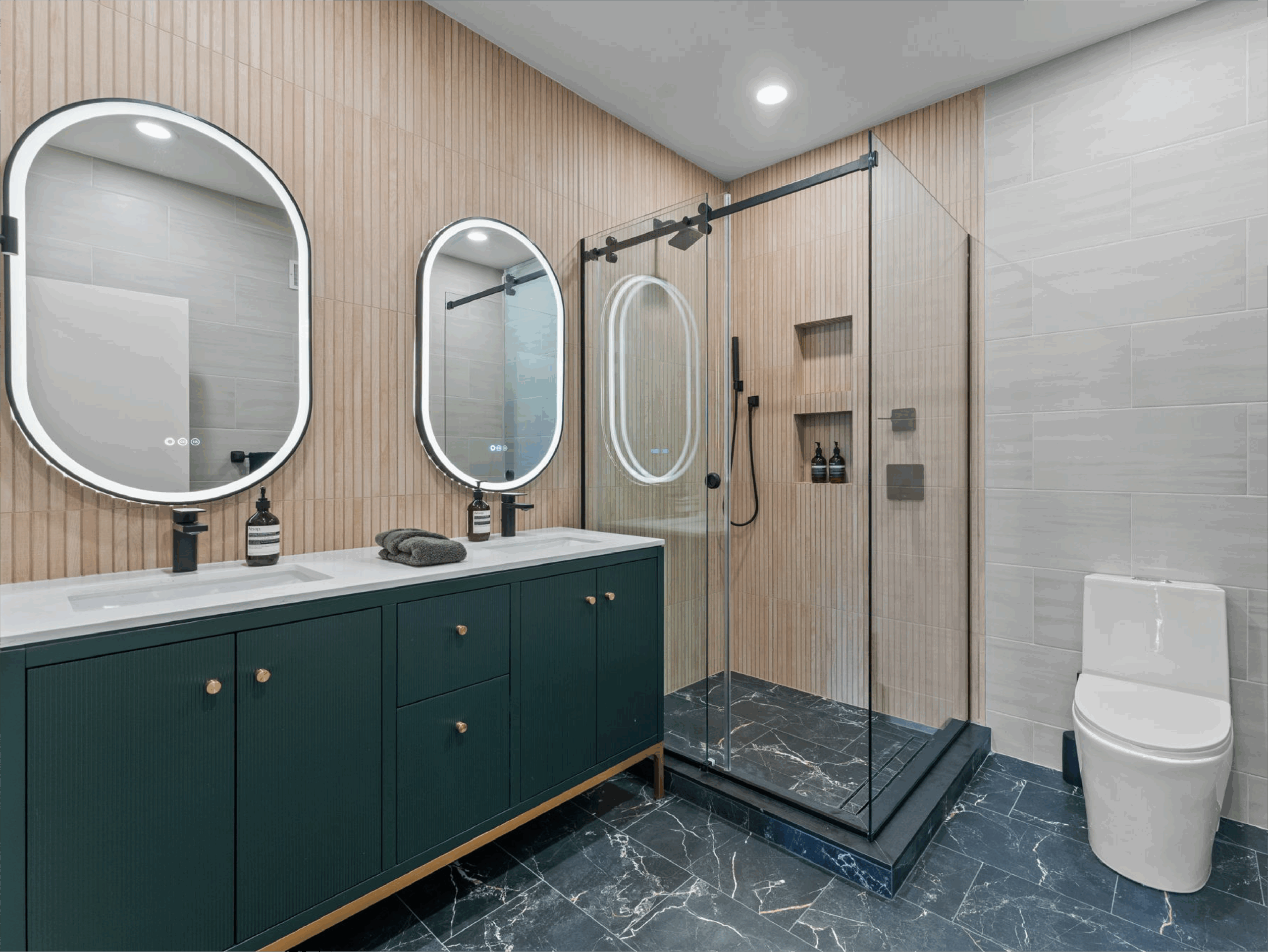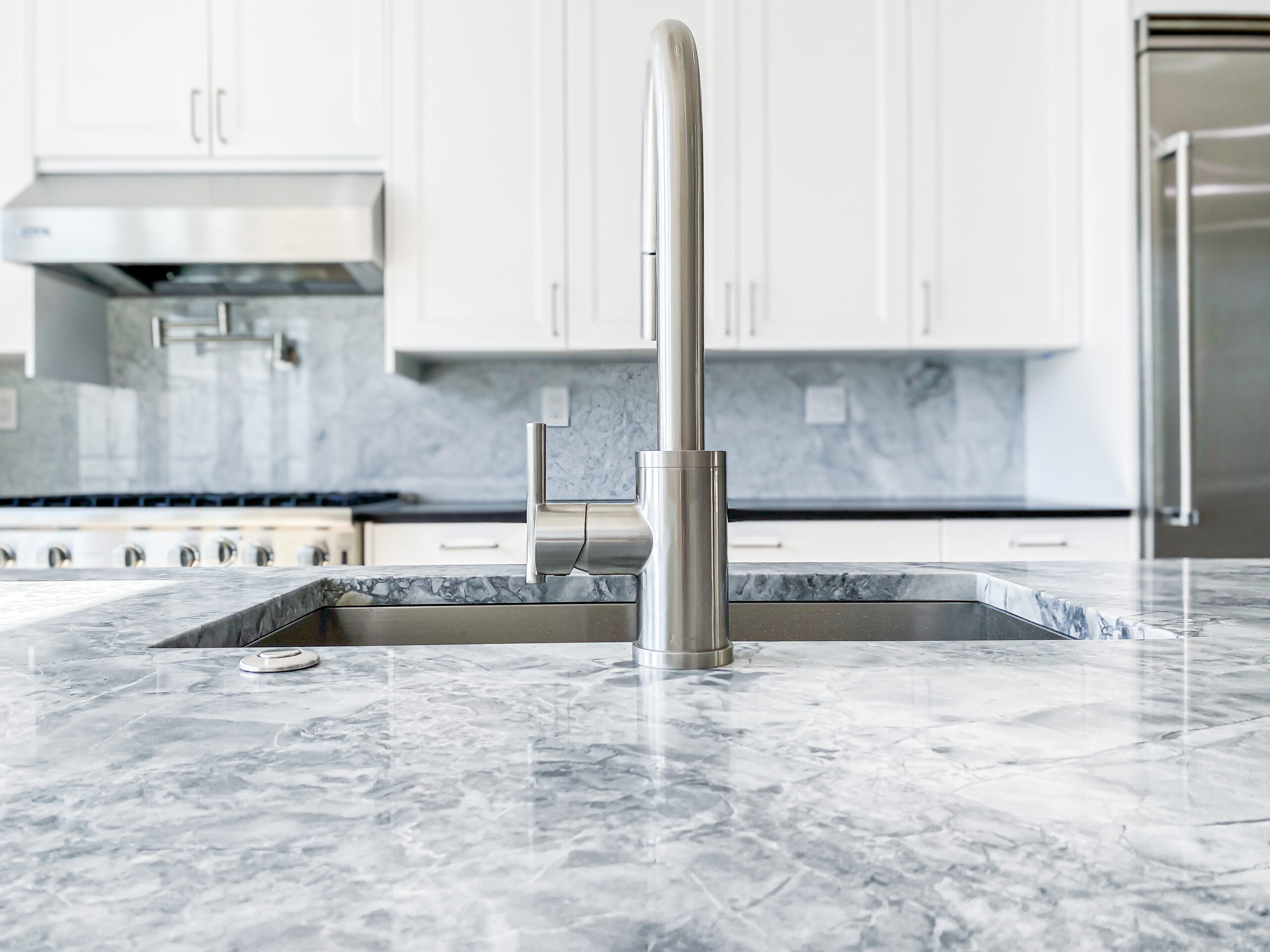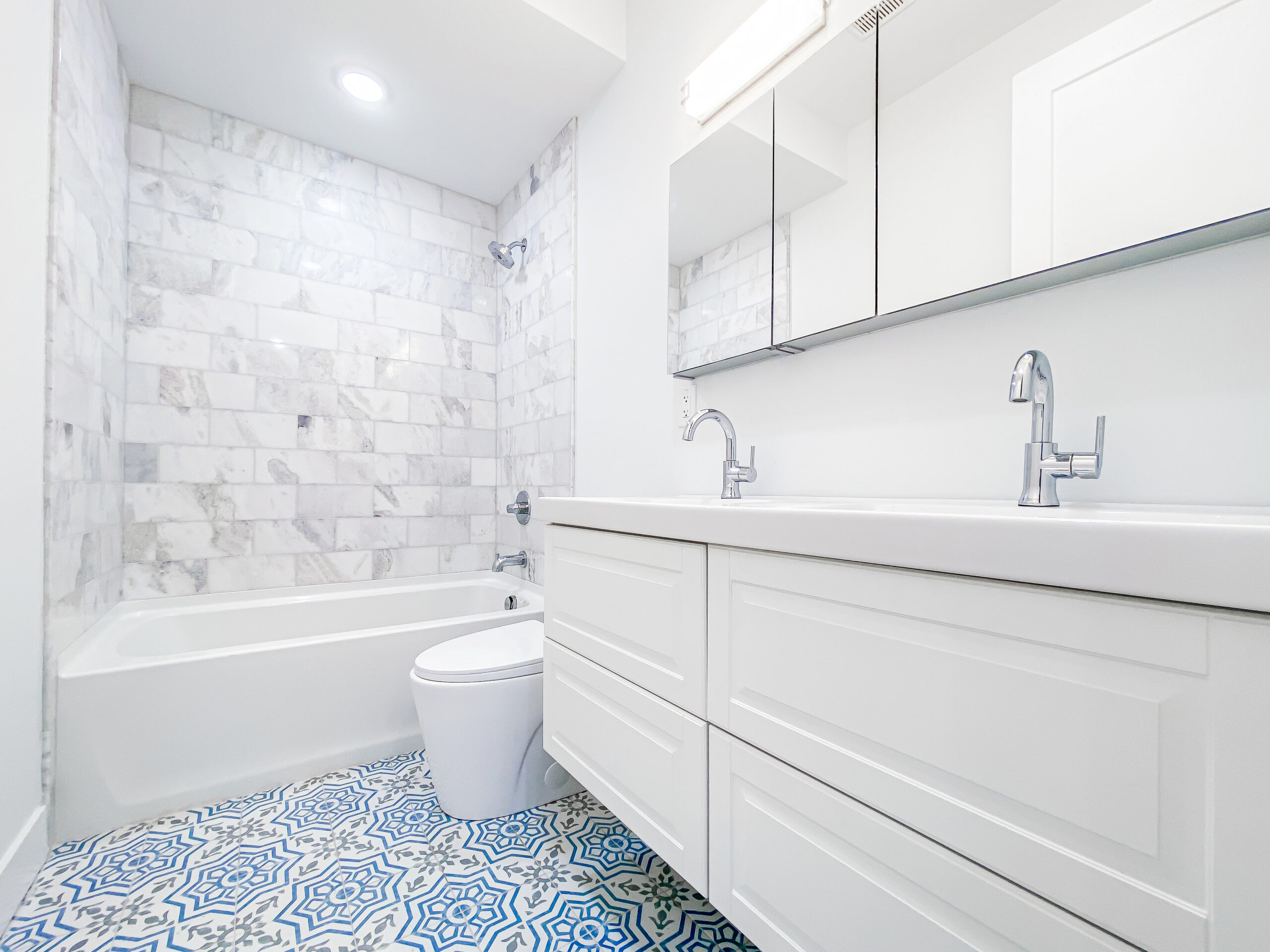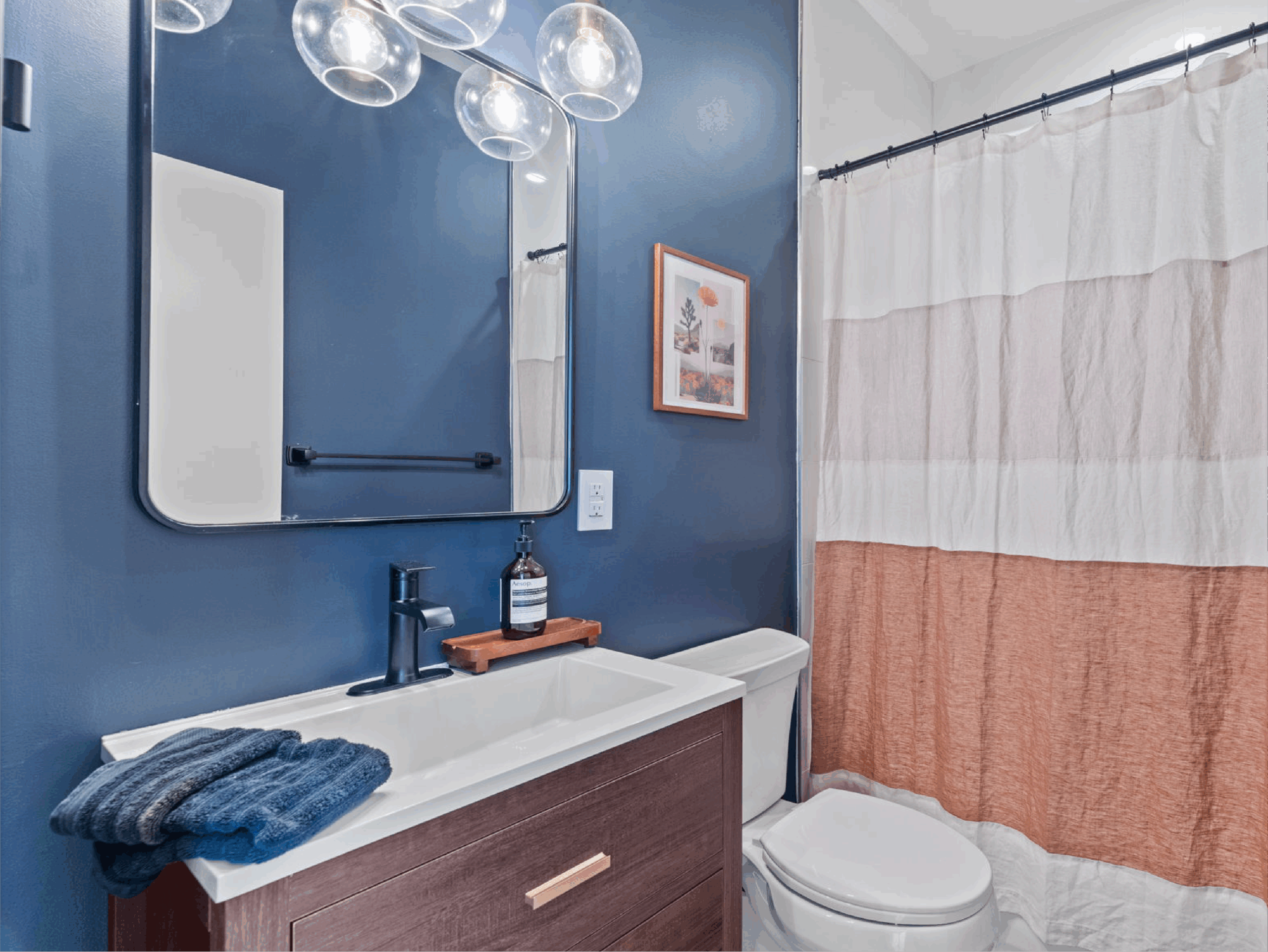
Replacing a cramped, outdated bathtub with a luxurious, custom-tiled walk-in shower is the most heavily requested bathroom upgrade in the Graduate Hospital and Fairmount neighborhoods. Because a bathroom is a critical daily utility, homeowners understandably want to know exactly how long they will be without their shower. A proper custom shower installation involves rigorous structural work, precise plumbing rough-ins, and multi-layered waterproofing. Understanding the chronological phases of construction helps set realistic expectations for the project timeline.
Phase 1: Demolition and Structural Assessment (Days 1–2)
A high-quality shower cannot be built over an old foundation. The project begins with a complete tear-out of the existing bathtub, the surrounding tile, and the drywall, taking the space down to the bare wooden wall studs and floor joists.
This phase is critical for discovery. Plumbers and carpenters must inspect the exposed structure for hidden water damage caused by the old, failing shower pan. If the floor joists are rotted, or if structural modifications are needed to accommodate a curbless (zero-entry) shower drain, this framing repair will add a day or two to the timeline.
Phase 2: Rough-In Plumbing and Permitting (Days 3–5)
Once the structure is solid, the mechanical work begins. The plumber installs new hot and cold water supply lines, accommodating upgraded features like rainfall showerheads, handheld wands, and multiple body sprays. Crucially, the drain must be precisely centered or aligned for a linear trench system.
In Philadelphia, major plumbing alterations require municipal permits and an inspection. Once the rough plumbing is in place, the walls remain open until the city inspector arrives to verify that the pressure and pipe sizing meet the building code. This inspection window can sometimes cause a brief scheduling delay depending on the city’s availability.
Phase 3: Waterproofing and Cement Board (Days 6–8)
The longevity of a custom shower relies entirely on what lies beneath the tile. The framing is covered in heavy-duty cement board. Next, a continuous, impermeable waterproofing membrane is applied.
Modern construction utilizes either sheet membranes (like Schluter-Kerdi) or liquid-applied elastomeric waterproofing that is painted over the cement board. The shower pan is carefully sloped toward the drain to ensure perfect gravity flow. The entire waterproofing system must cure completely and pass a standing water test to guarantee absolute zero leakage before any tile is laid.
Phase 4: Custom Tile Installation (Days 9–14)
Tile setting is an exacting craft that cannot be rushed. It involves highly precise cutting, leveling, and spacing.
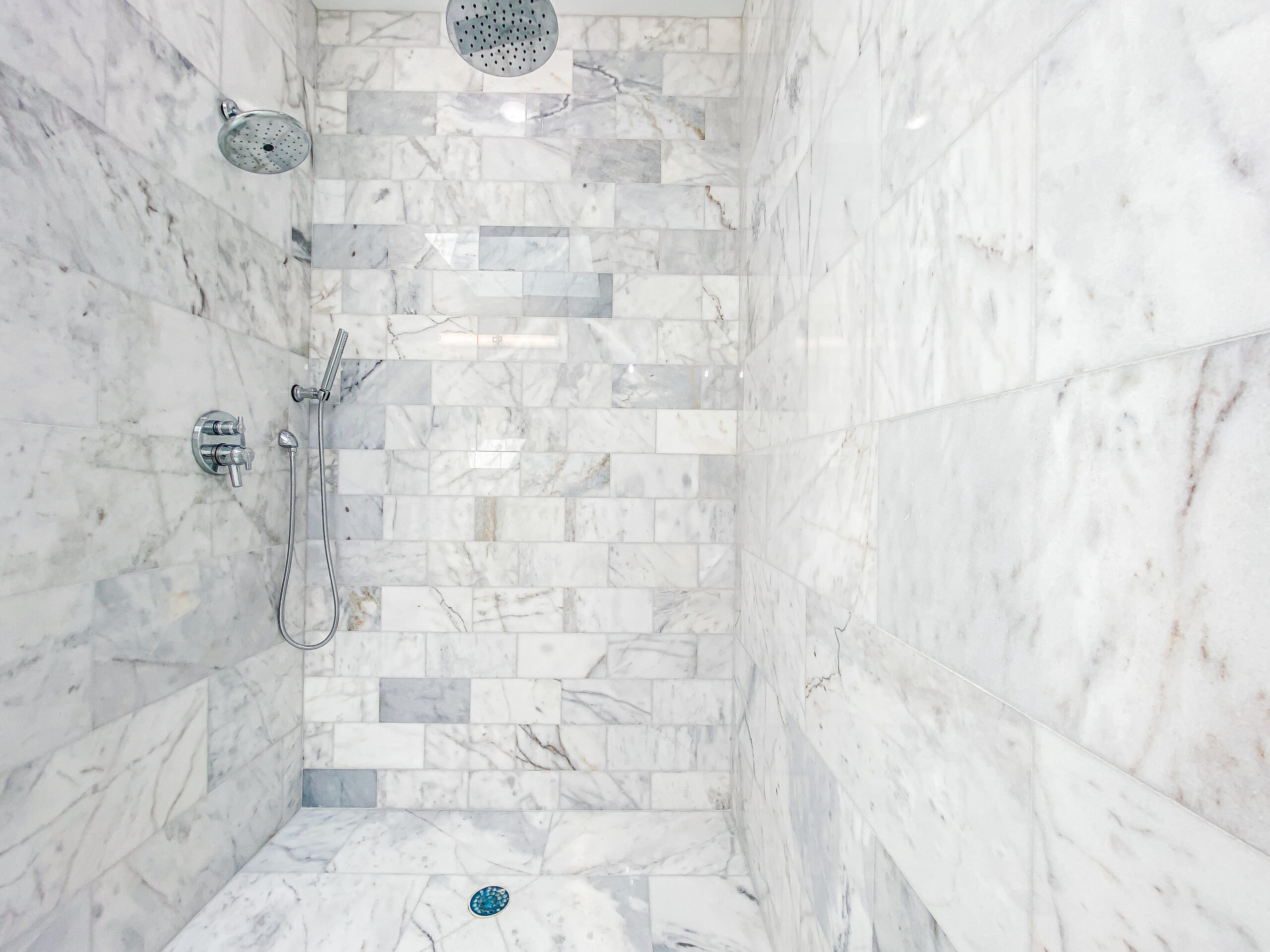
Large-format porcelain tiles require specialized mortar and leveling clips to ensure a perfectly flat, shadow-free surface. If the design includes recessed shampoo niches, intricate mosaic accent bands, or complex herringbone patterns, the installation time increases significantly. Once the tile is set, the thin-set mortar must cure for 24 to 48 hours before the grout is applied. Finally, the grout itself must dry and be chemically sealed to protect against future staining.
Phase 5: Glass Enclosure and Fixtures (Days 15–18)
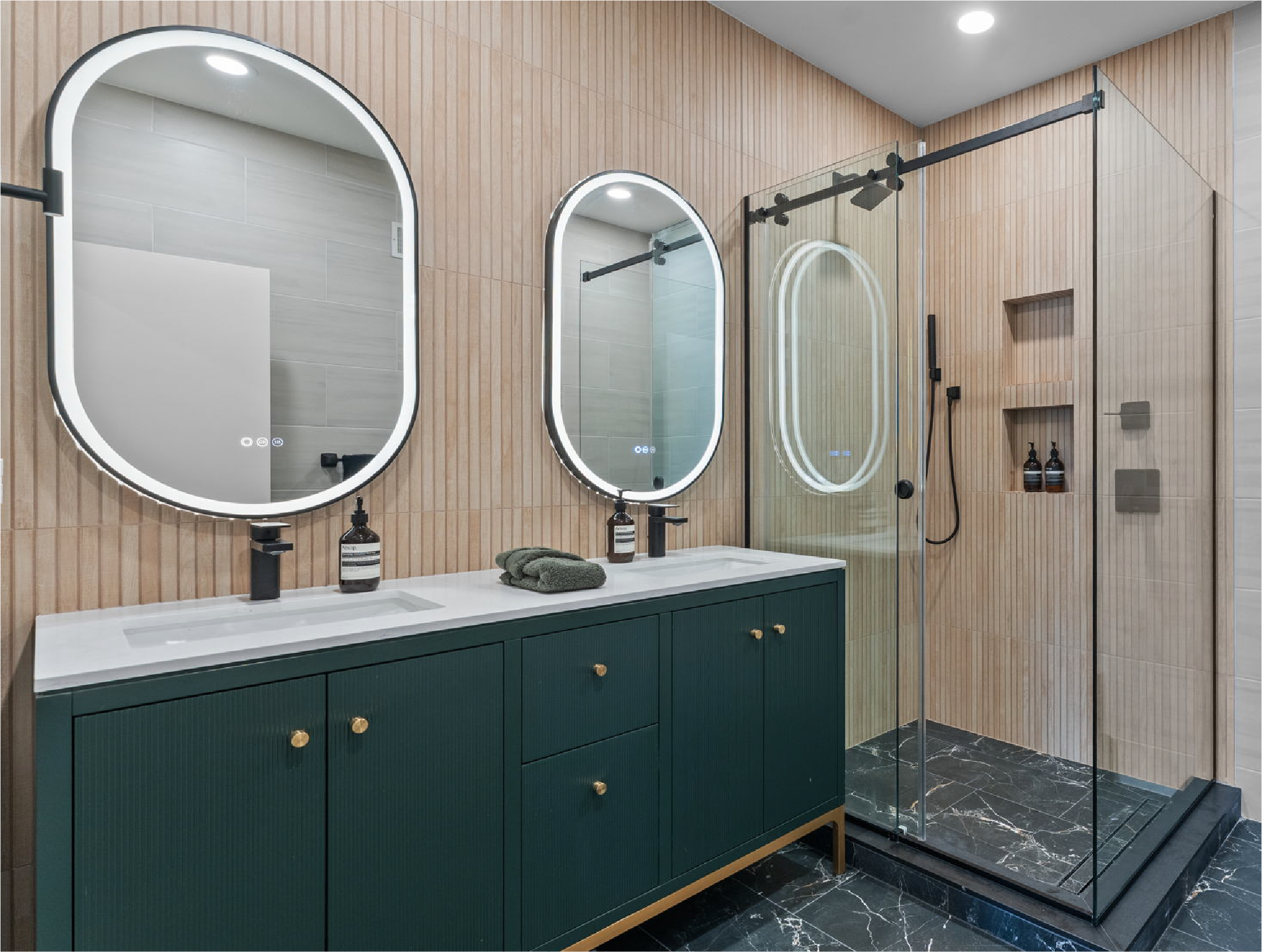
The final step is templating and installing the frameless glass enclosure. Custom glass cannot be ordered until the tile is completely finished, as the measurements must account for the exact thickness of the finished tile surface to ensure a watertight fit. While the glass is being fabricated (which can take a week), the plumber returns to install the visible plumbing trim—the handles, showerheads, and drain covers.
A masterfully built shower requires patience and precision. While a fiberglass drop-in insert can be finished in two days, a custom-tiled, fully waterproofed walk-in shower is a three-week investment in permanent luxury. To secure a flawless installation and coordinate comprehensive shower remodeling in Philadelphia, contact Philly Kitchen & Bath LLC today.
FAQs:
- Why does it take so long to build a custom tile shower? A custom shower involves multiple layers that each require drying or curing time, including sloped mortar beds, liquid waterproofing membranes, thin-set tile adhesive, and finally the grout and sealants.
- Do I need a permit just to replace my shower? If you are moving the drain location or replacing the internal plumbing valves inside the wall, a municipal plumbing permit is required to ensure the work is safe and leak-free.
- Why does the glass door take extra time to install? Frameless heavy glass doors must be precision-cut to match the exact, finalized dimensions of the tiled opening. The glass company will not measure for the door until all the tile and grout work is 100% complete.